Kyle Thomas Hemingway: The ephemera edit
An ongoing digital archive of 1,429 items (and counting) proving that I read, I saw, and I actually paid attention.
-
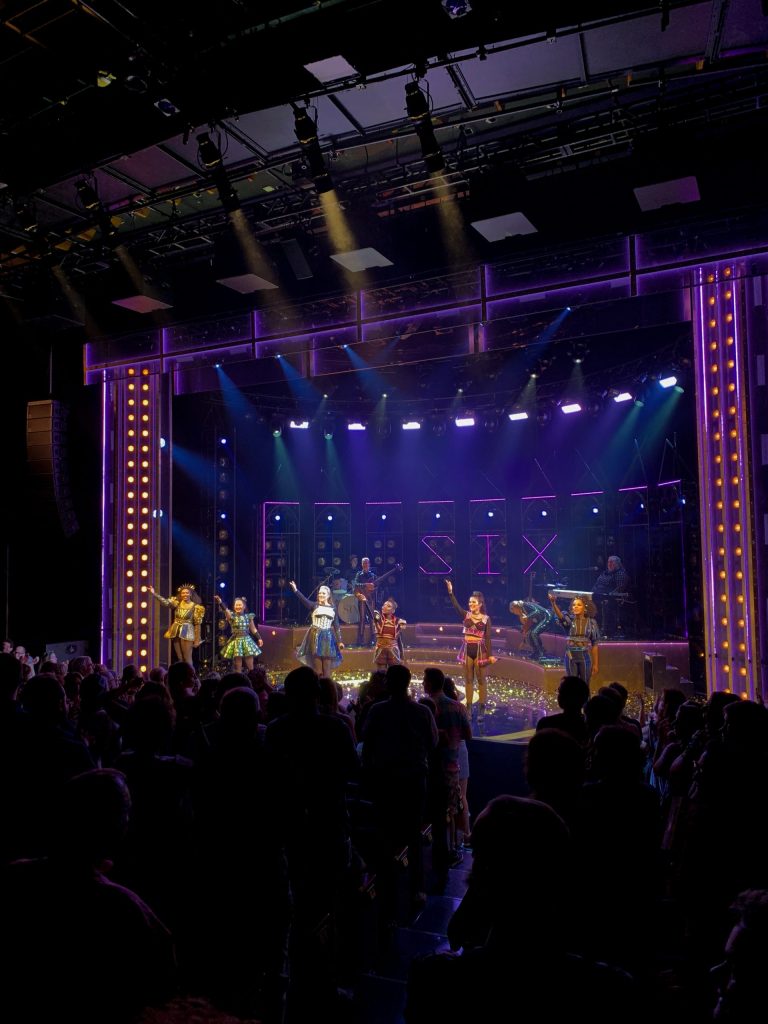
Curtain call at SIX -
-
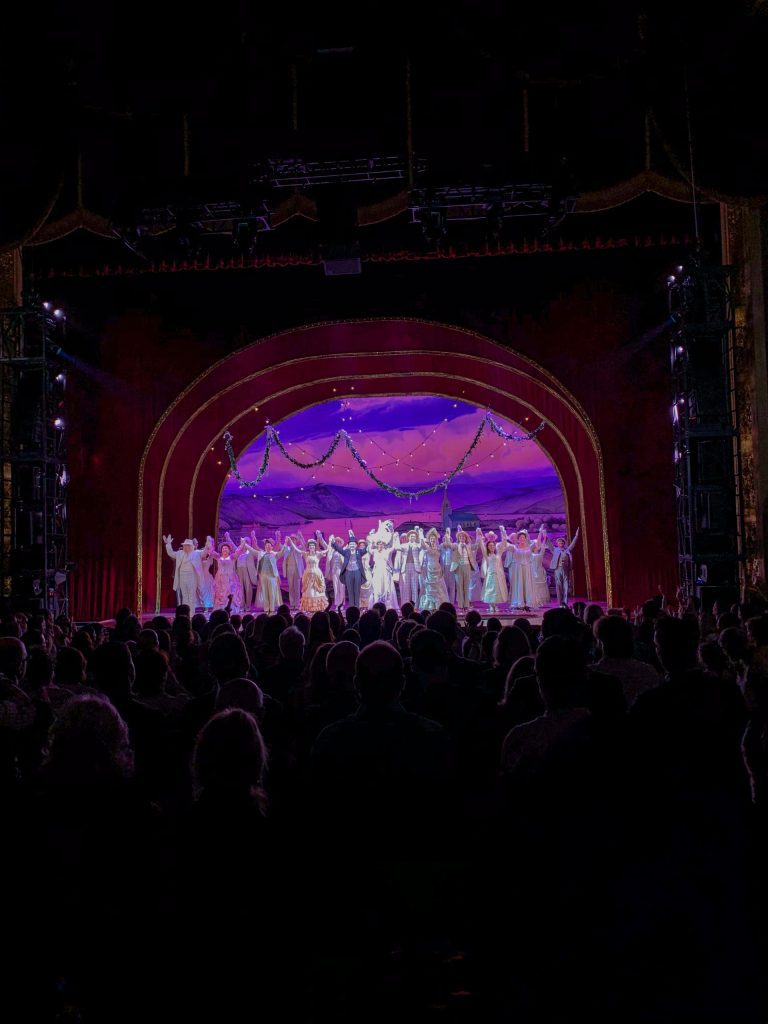
Curtain call at Hello, Dolly! -
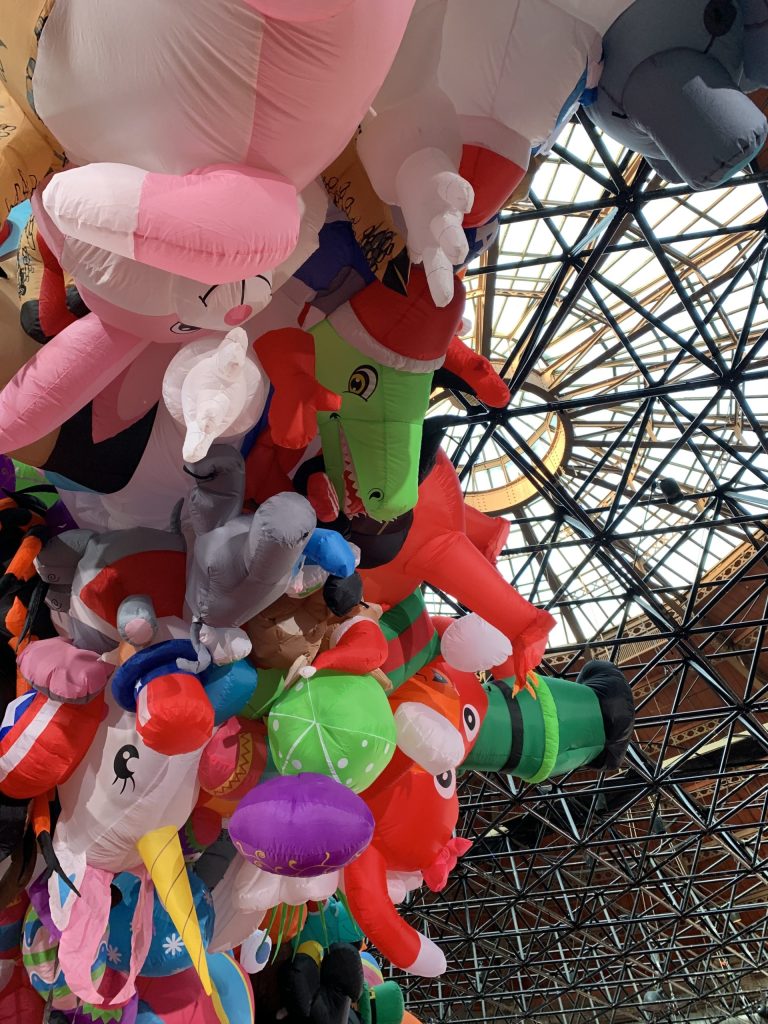
Installation view of Nick Cave, Augment, 2019 -
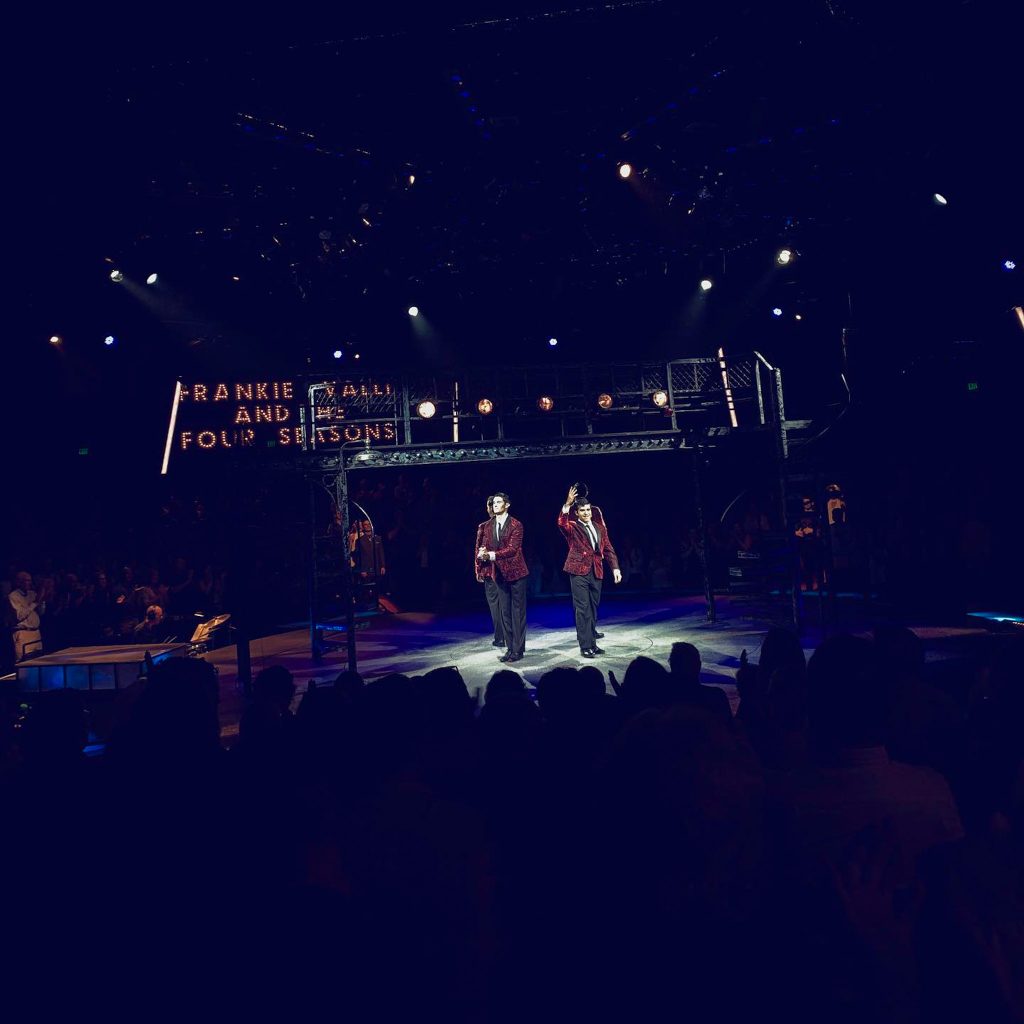
Curtain call at Jersey Boys -

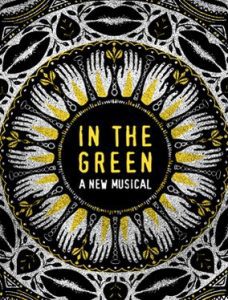
Curtain call at In the Green -
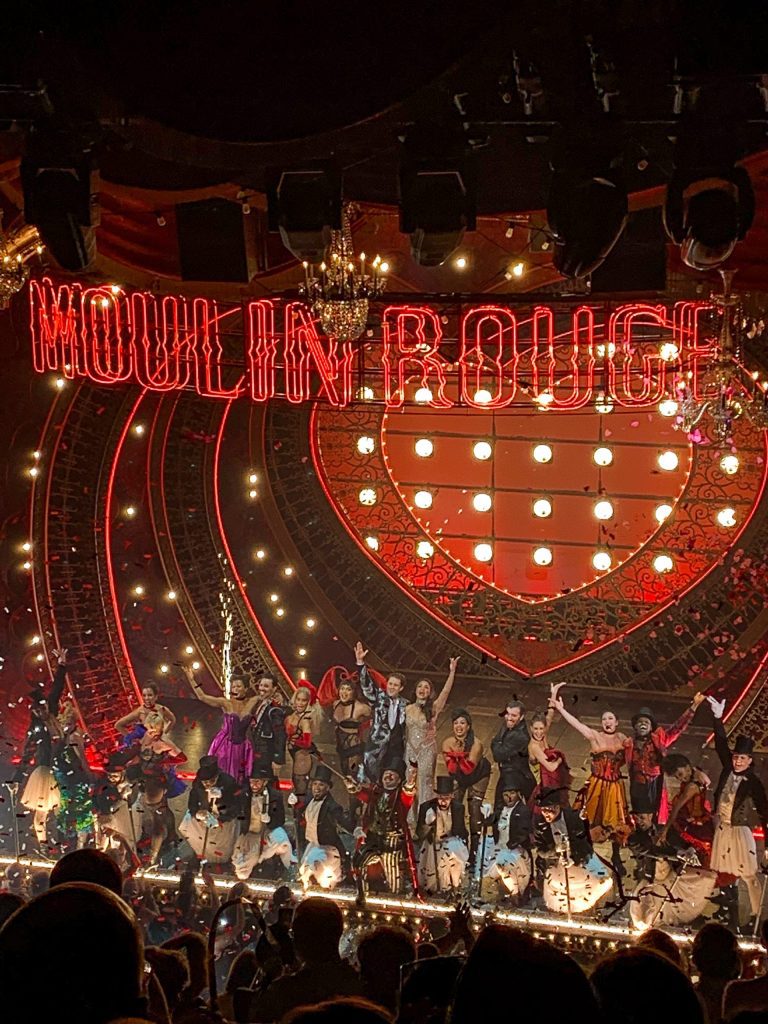
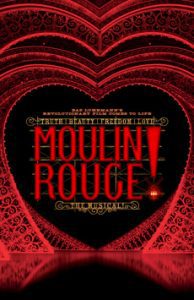
Curtain call at Moulin Rouge! The Musical -
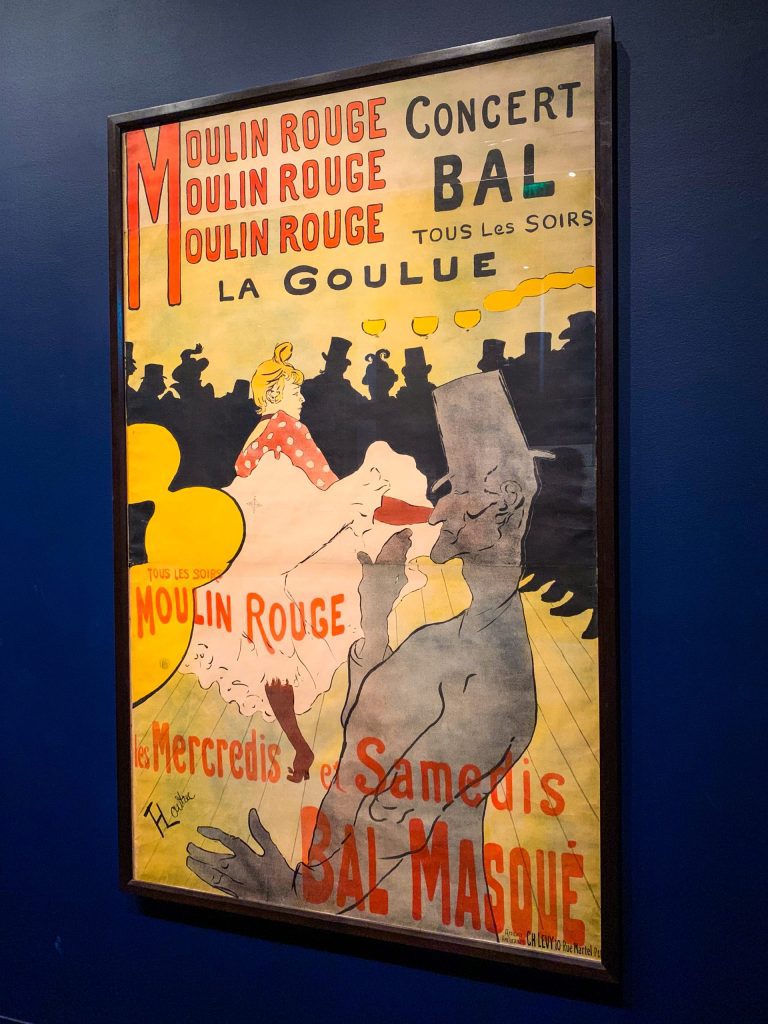
Henri de Toulouse-Lautrec, Moulin Rouge: La Goulue, 1891 -
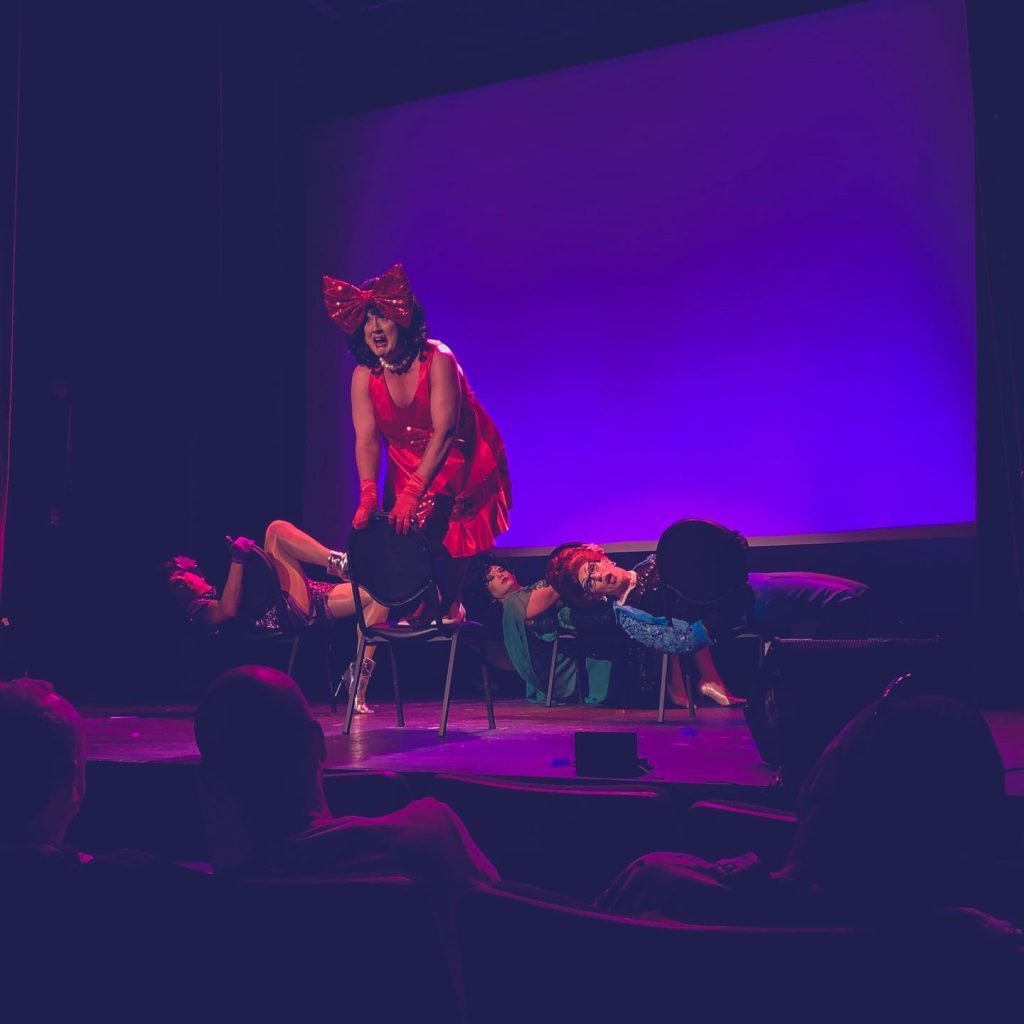
The Kinsey Sicks performs -
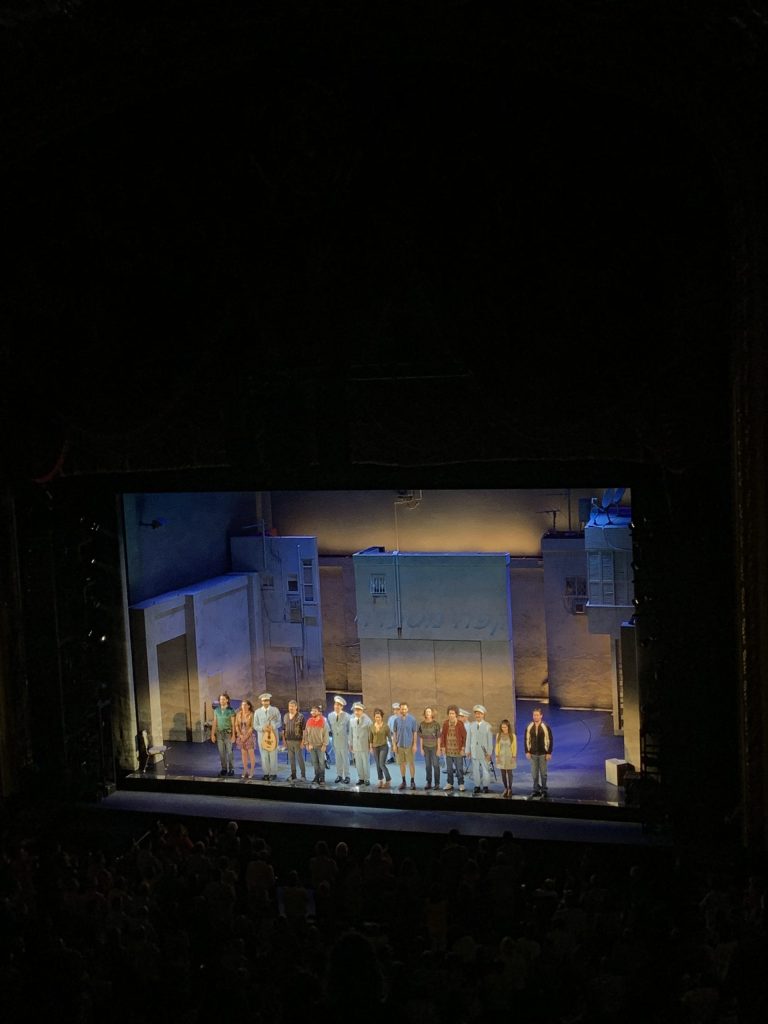
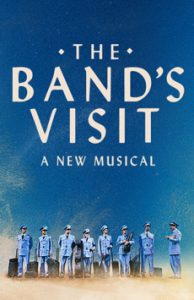
Curtain call at The Band’s Visit -
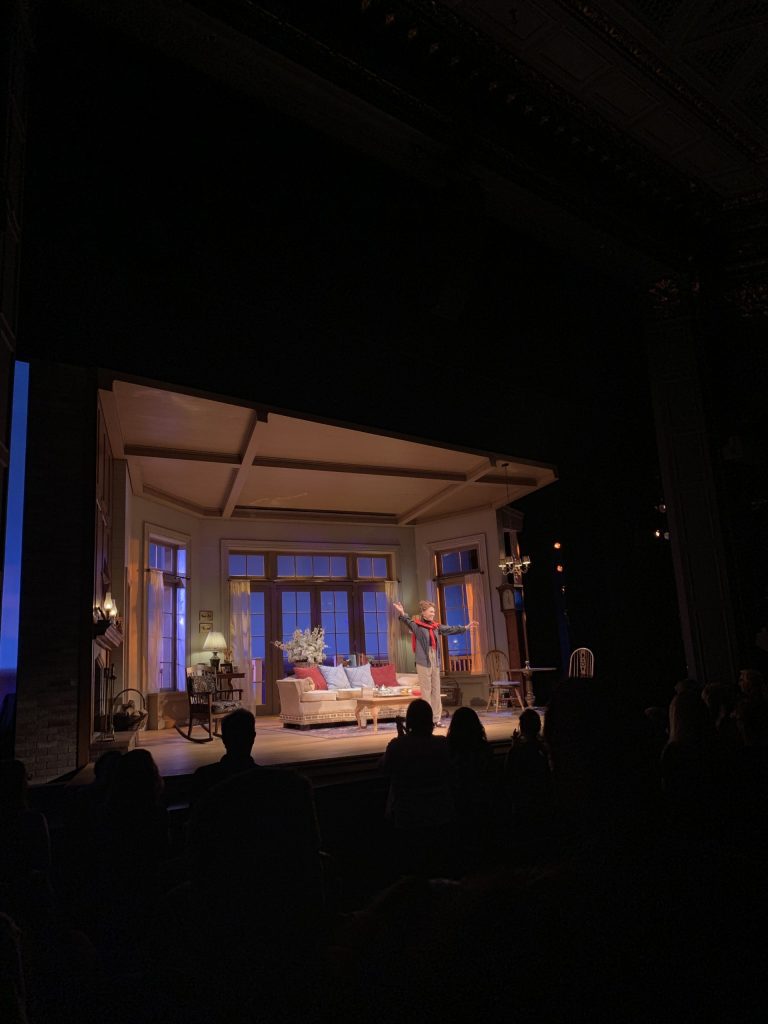
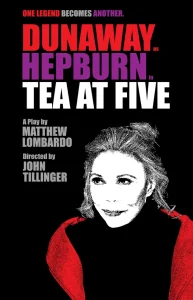
Faye Dunaway takes her opening night curtain call -
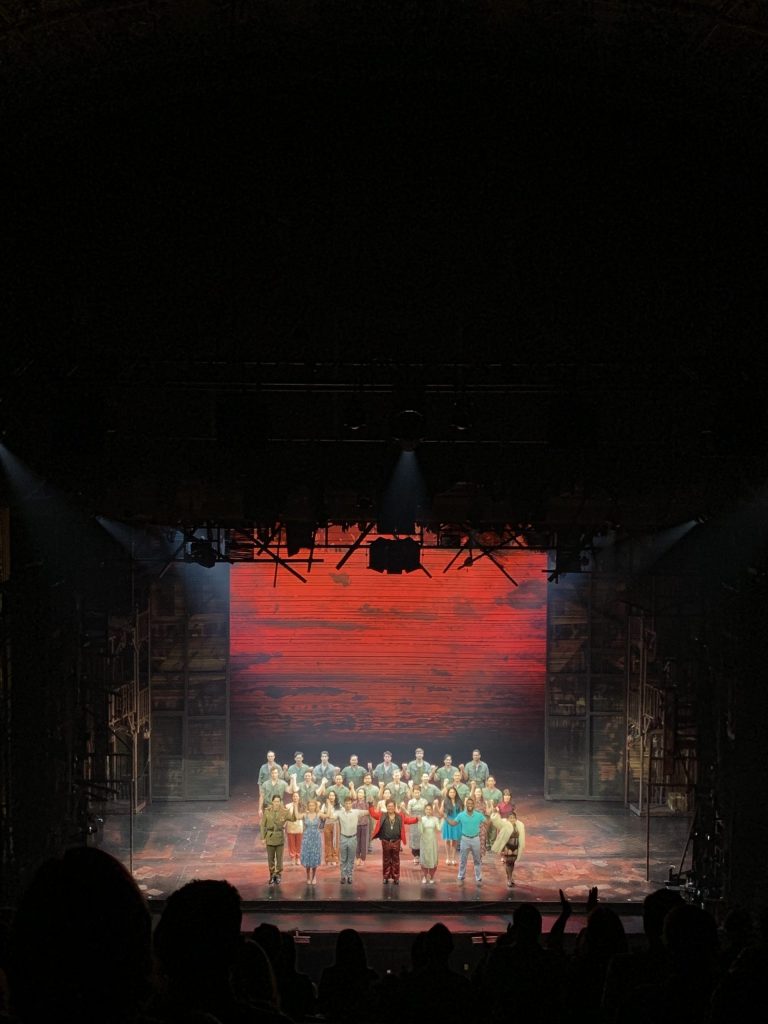
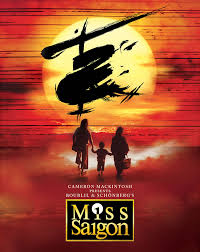
Curtain call at Miss Saigon -
“On a macro level, Tokyo isn’t a beautiful city. It encompasses a riot of architectural styles in full embrace of kitsch. A postwar wooden yakitori joint might be shoehorned between a newly poured mansion of exposed concrete and a megawatt pachinko parlor of mirror chrome. Add to this lexicon vast forests of neon, fluorescent and LED signs, overlay a spaghetti canopy of power lines, crisscross it all with railways, ring roads and cramped lanes, and you get an idea of the city’s built environment. And don’t forget the people: 13.7 million of them, living in the heart of a greater metropolitan area of 38 million.”
-

Detail of the set -
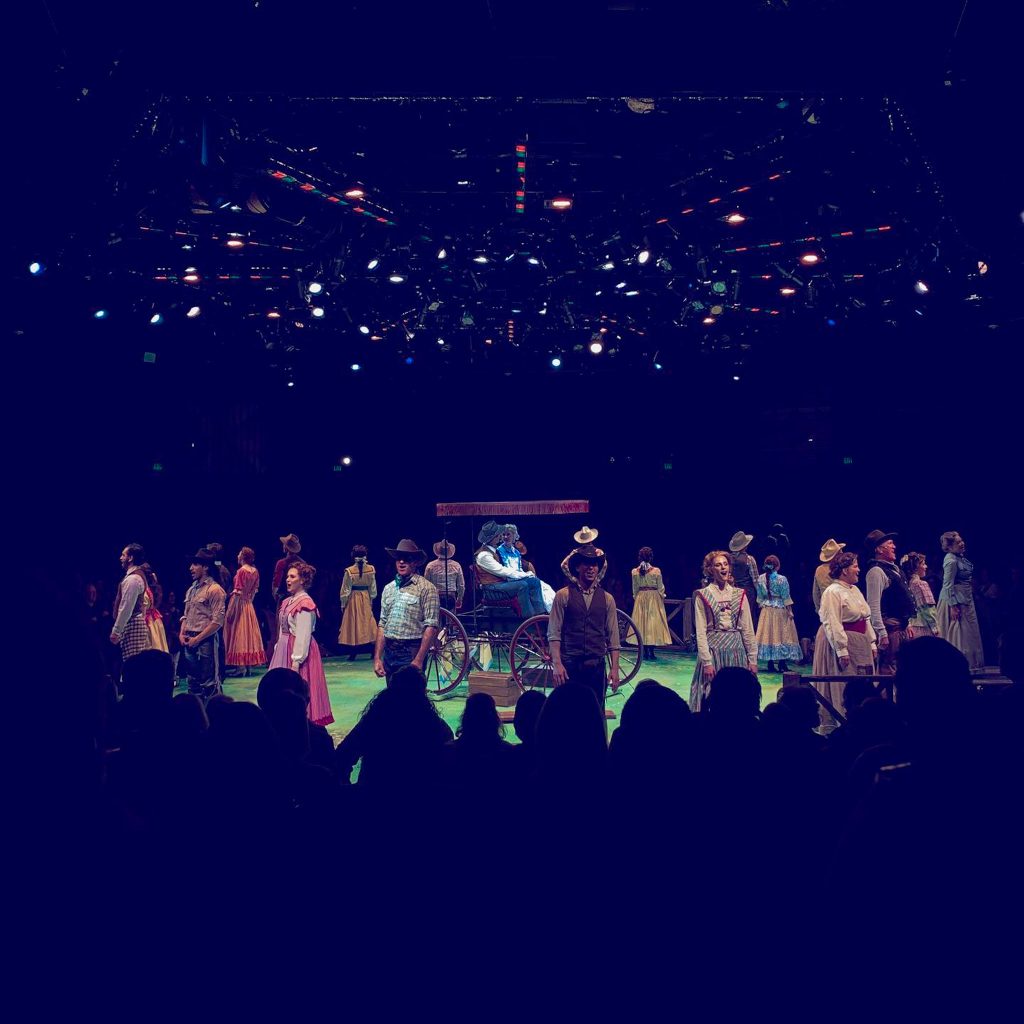
Curtain call at Oklahoma! -
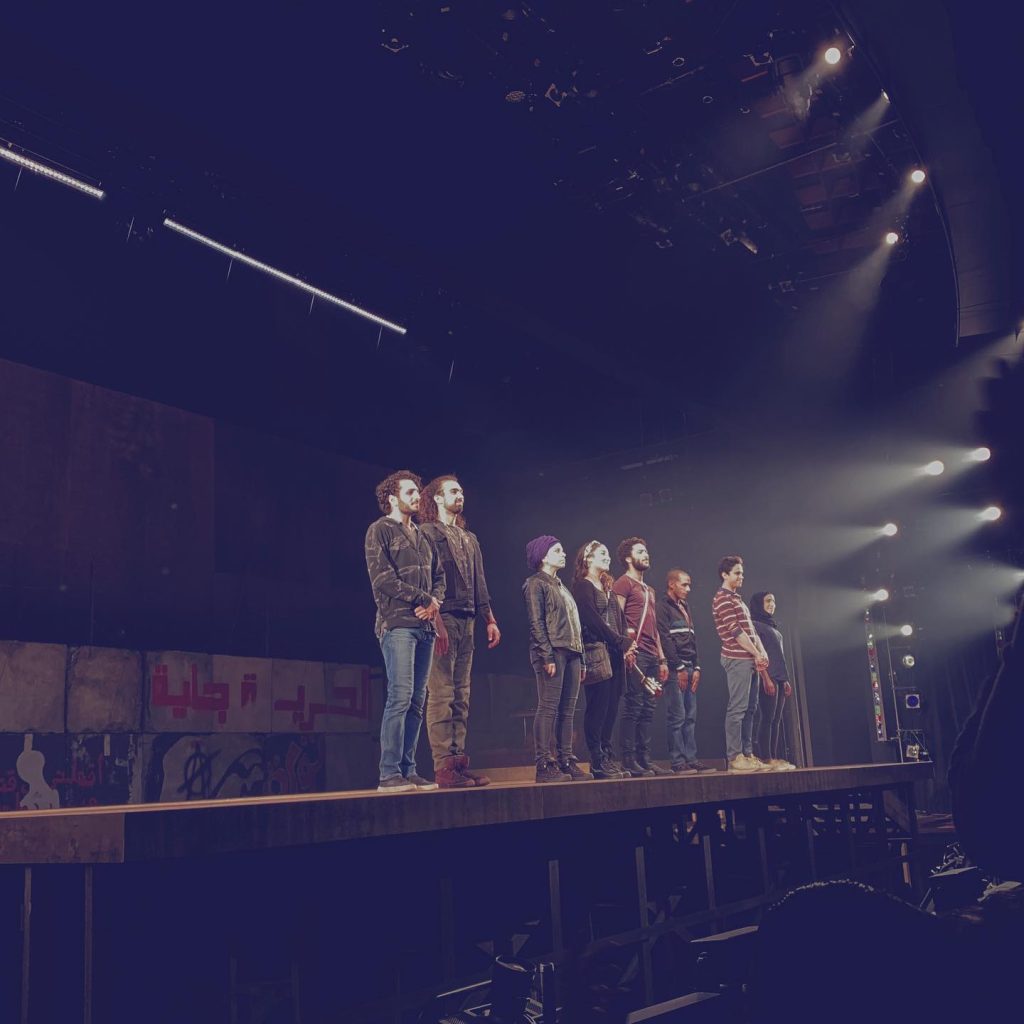
Curtain call at We Live in Cairo -
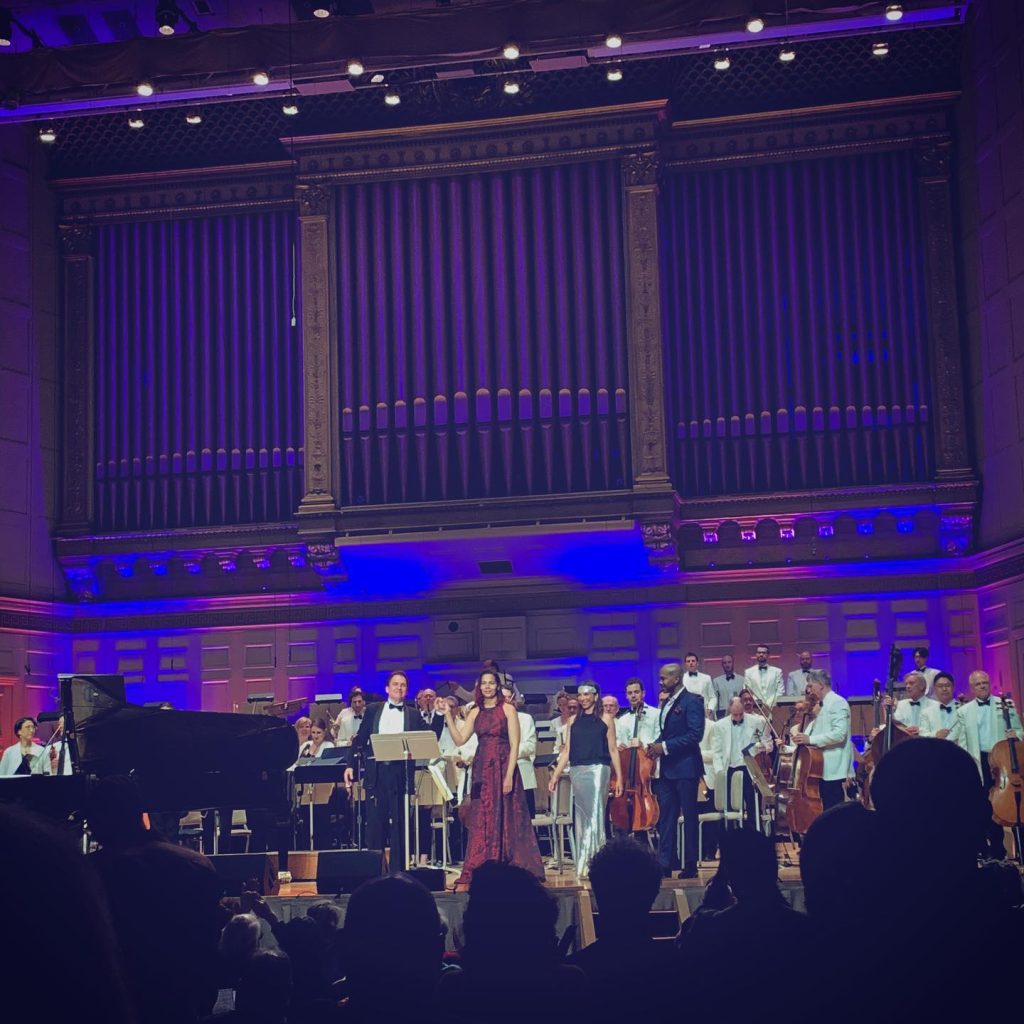
The ensemble takes a bow -
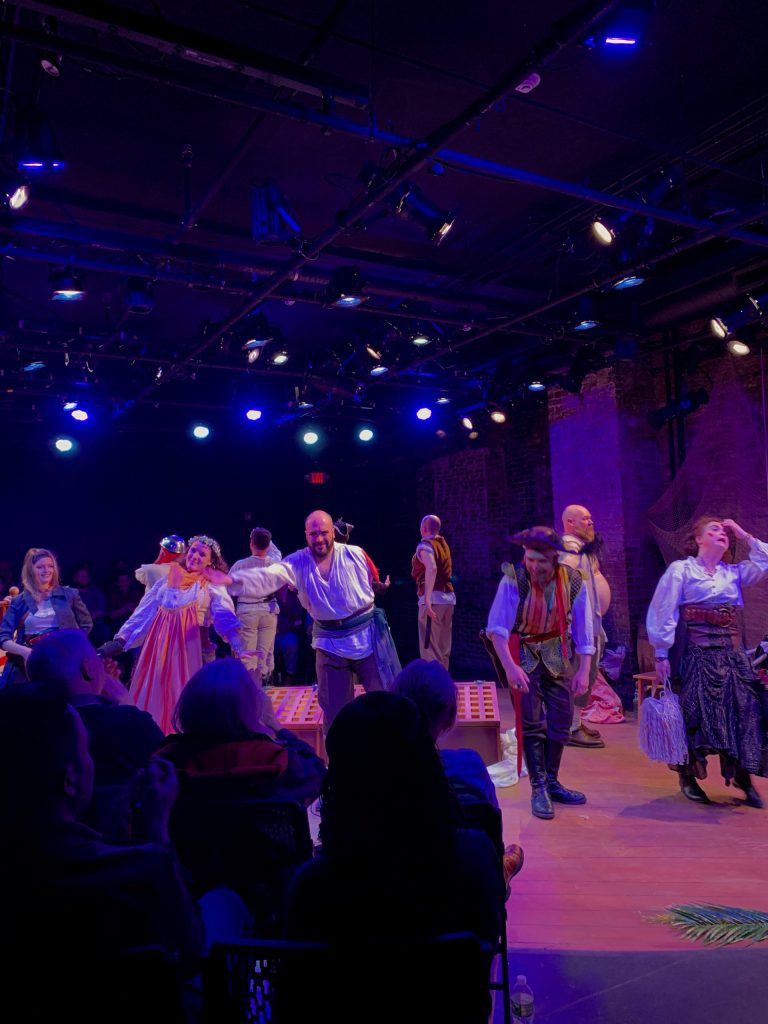
Curtain call at Pirates of Penzance -
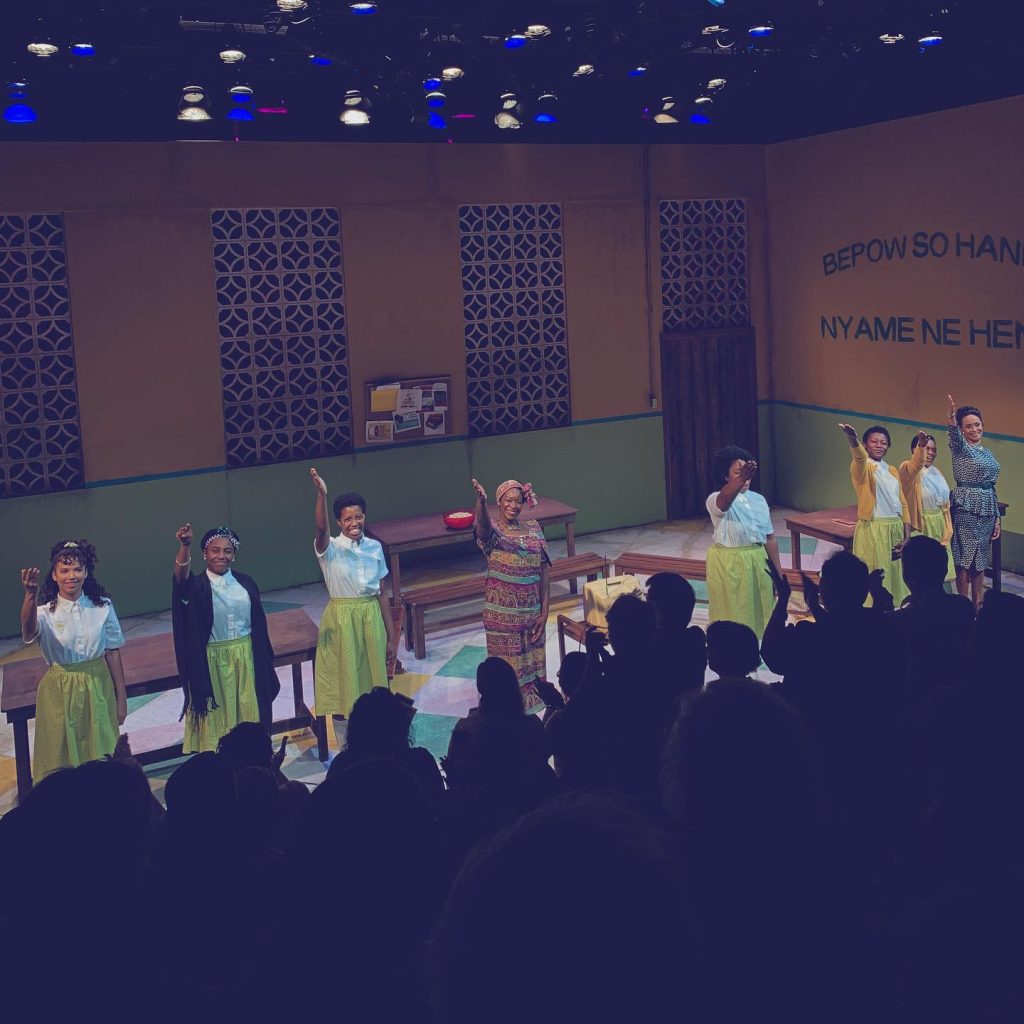
Curtain call at School Girls