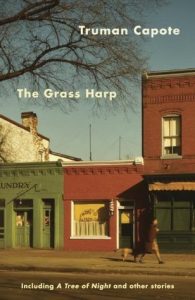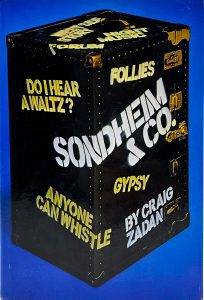
“If I heard that song I wouldn’t get married for anything in the whole world.”
Kyle Thomas Hemingway: The ephemera edit
An ongoing digital archive of 1,429 items (and counting) proving that I read, I saw, and I actually paid attention.
-
-
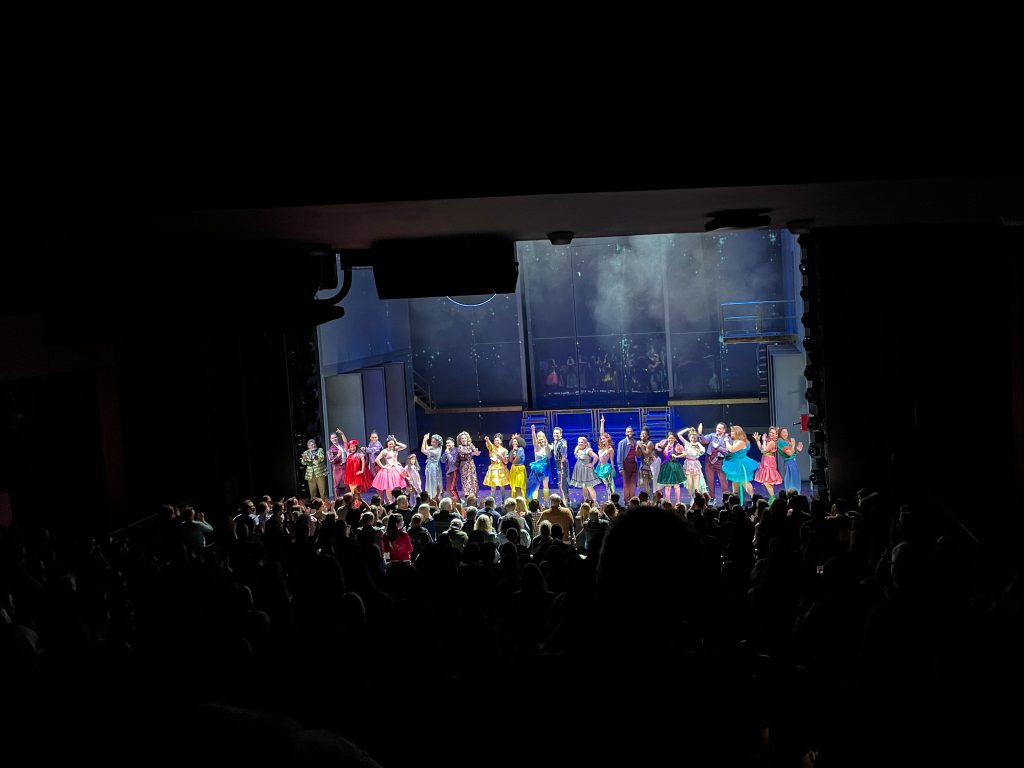
Curtain call at Once Upon a One More Time -
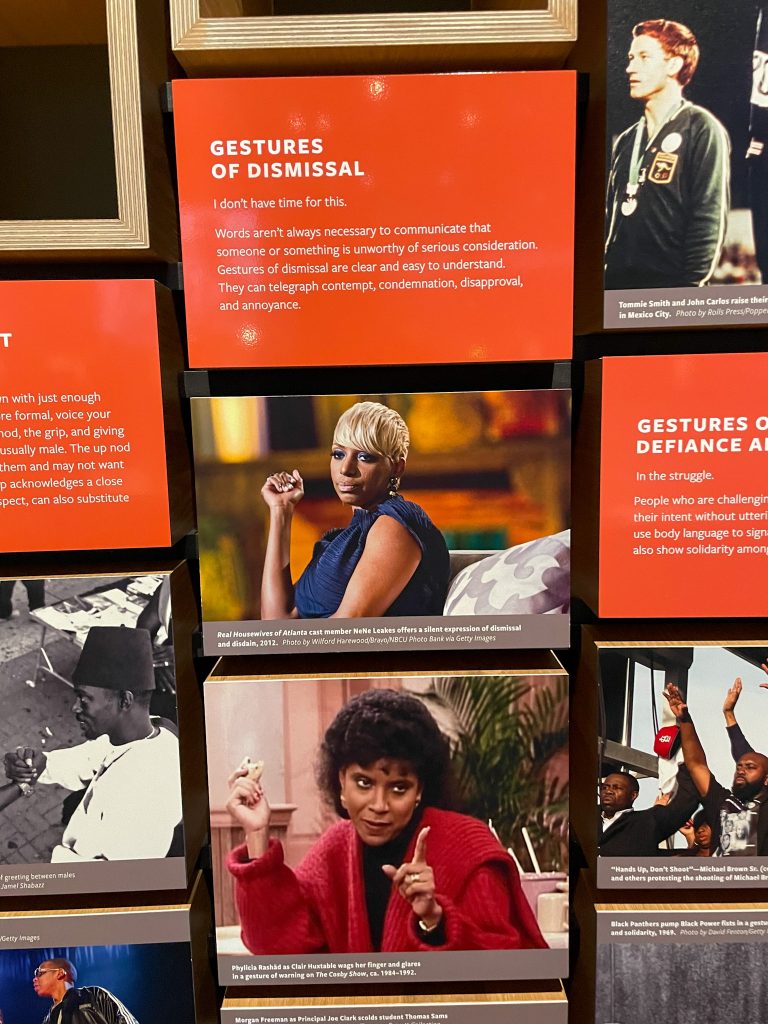
An exhibit highlighting different gestures -
“If you keep a place clean, people will respect it; if you let it get dirty, they’ll make it worse…Just make the park beautiful and you’ll appeal to the best side of people. They all have it; all you have to do is bring it out.”
-
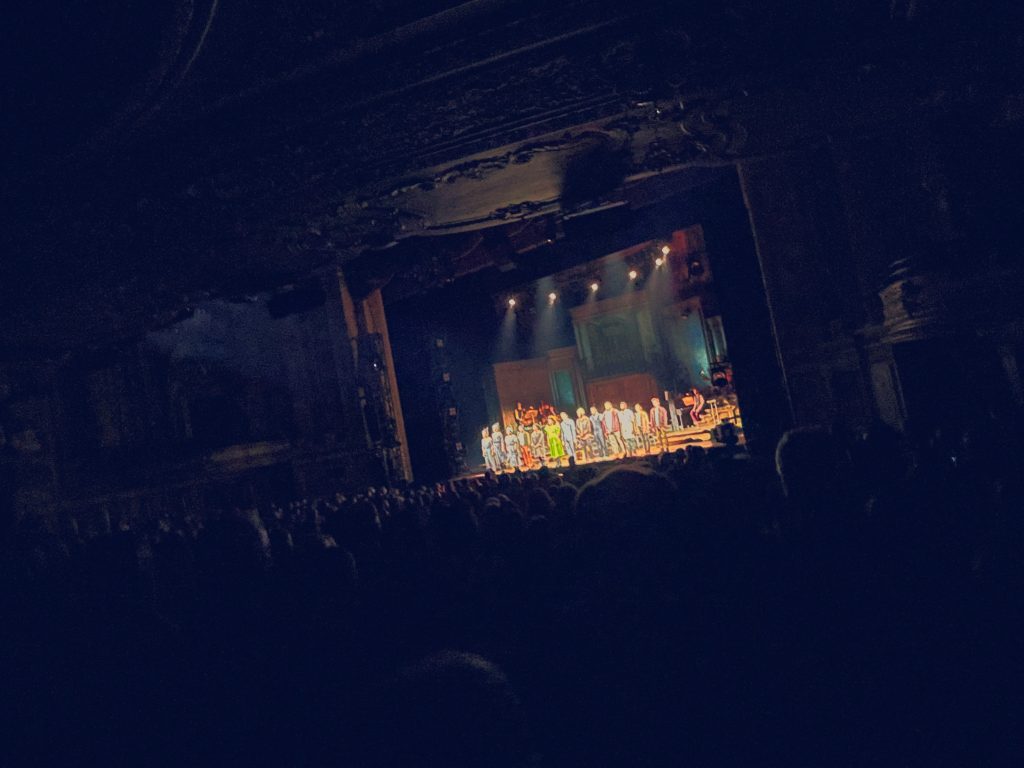
Curtain call at Hadestown -
-
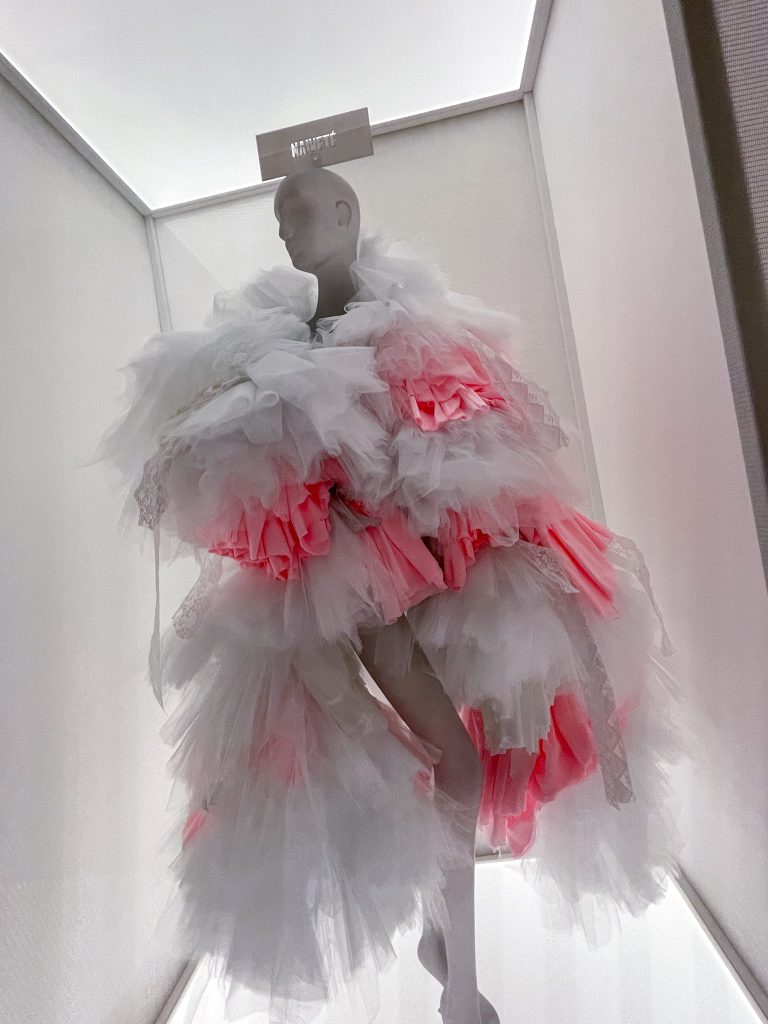
Vaquera, spring 2021 -
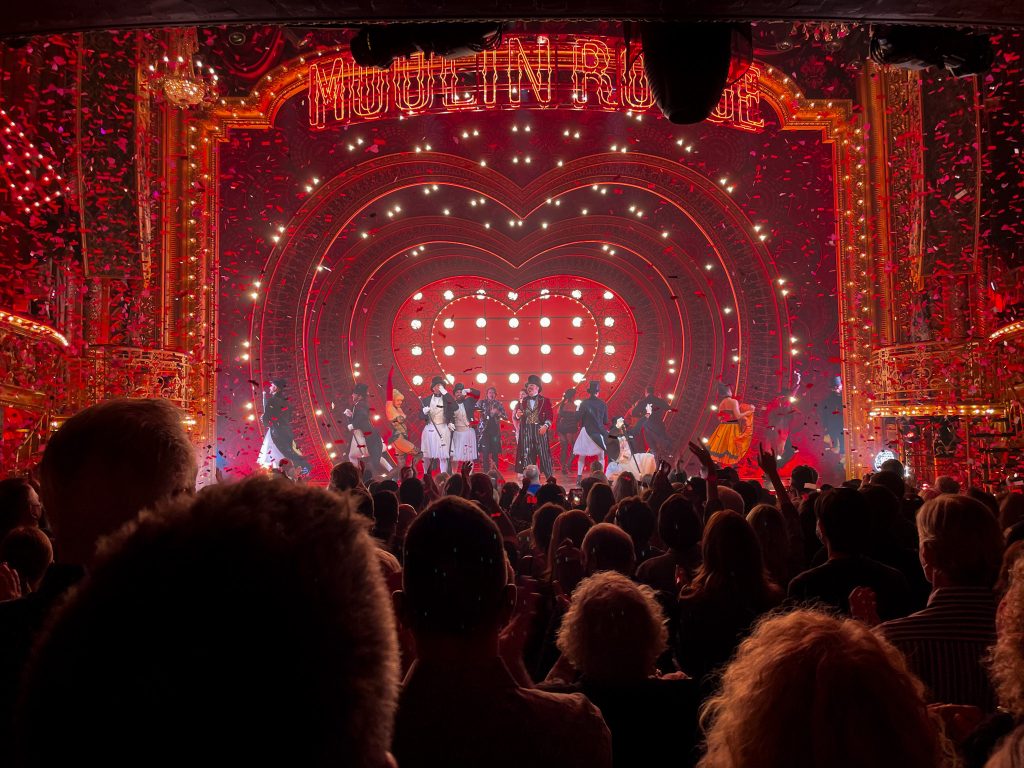
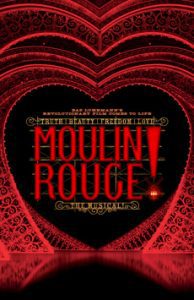
Curtain call at Moulin Rouge! The Musical -
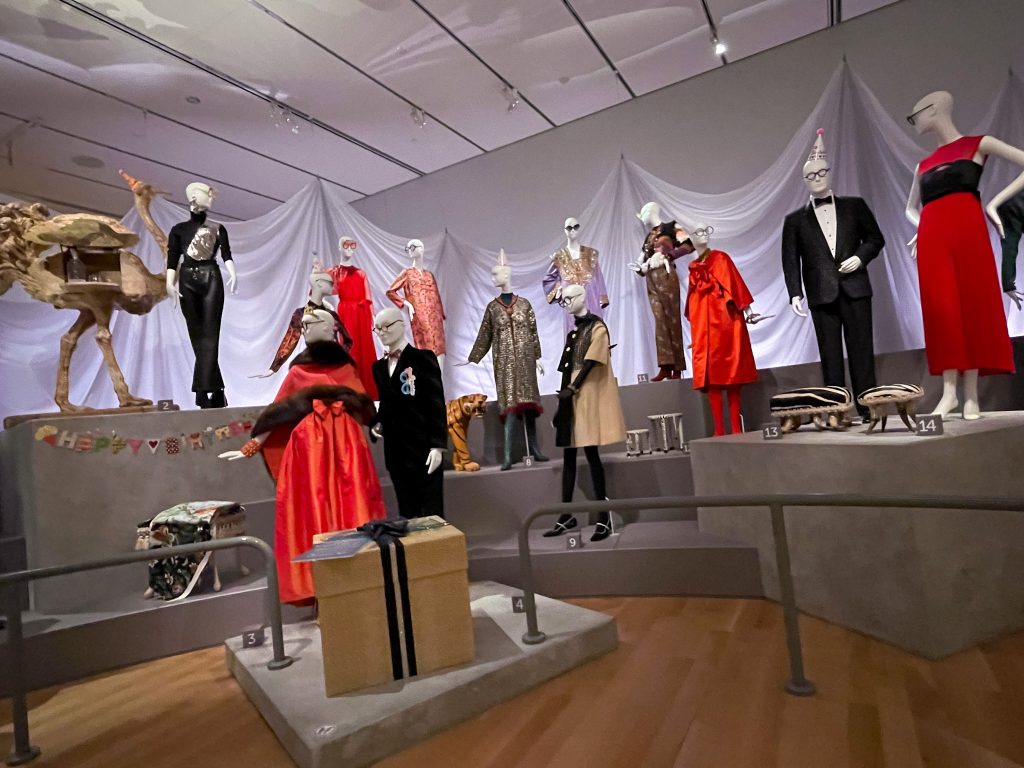
Iris Apfel birthday display -
“I first saw the Bourse de Commerce, really saw it, in April of this year, but by that point I had been living in Paris for more than six years. I’d visited the Louvre of course, a minute or so stroll towards the river, and the Musée des Arts Decoratifs just down the street. I had seen shows at the Centre Pompidou, a few minutes to the east, and I had been, grudgingly, to the vast mall at Les Halles right next door many times when a trip to Muji was unavoidable. I’d even met friends after work at Iovine’s pizzeria one bitingly cold winter’s evening, almost directly opposite the Bourse’s grand entrance, but still, I’d never seen it. It was just one more pile of haughtily beautiful pale Parisian stonework that my eyes slid over and my brain failed to register.”
-
“Filling personal spaces with purely decorative, cheaply made trinkets—or tchotchkes, knickknacks, bric-a-brac, junk—is as American as apple pie. ‘Over time, Americans have decided—as individuals, as members of groups, and as a society—to embrace not just materialism itself but materials with a certain shoddy complexion,’ writes author Wendy A. Woloson in her book Crap: A History of Cheap Stuff in America.”
-
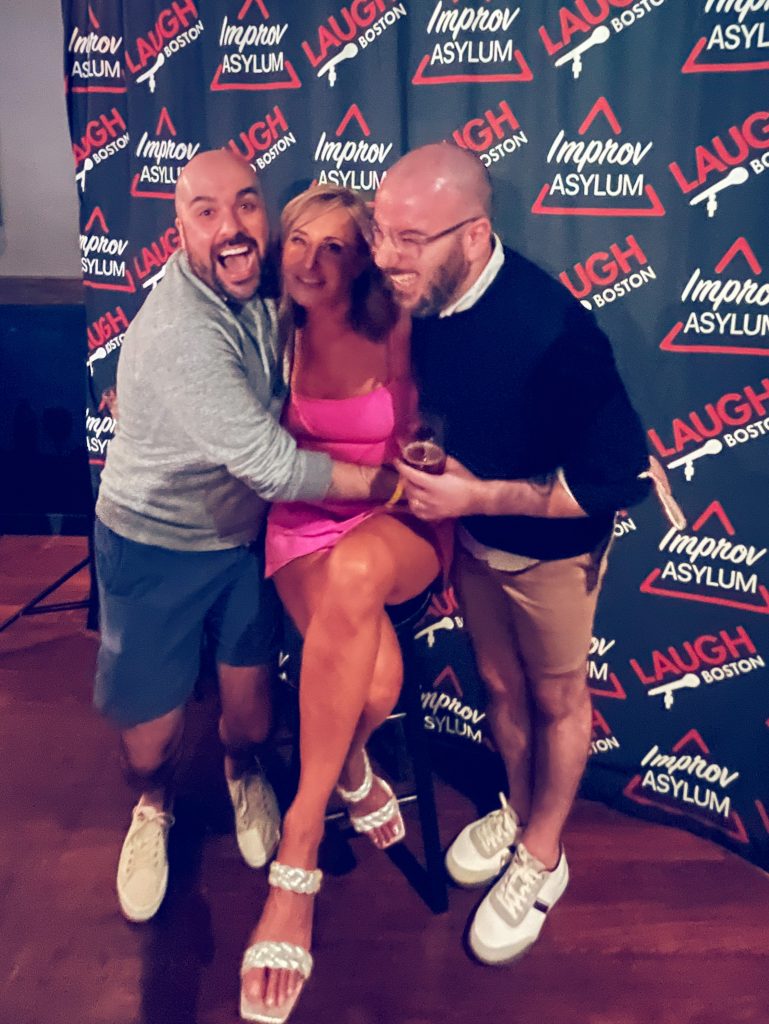
What happens at the meet and greet stays at the meet and greet -
“It may be that there is no place for any of us. Except we know there is somewhere; and if we found it, but lived there only a moment, we could count ourselves blessed.”
-
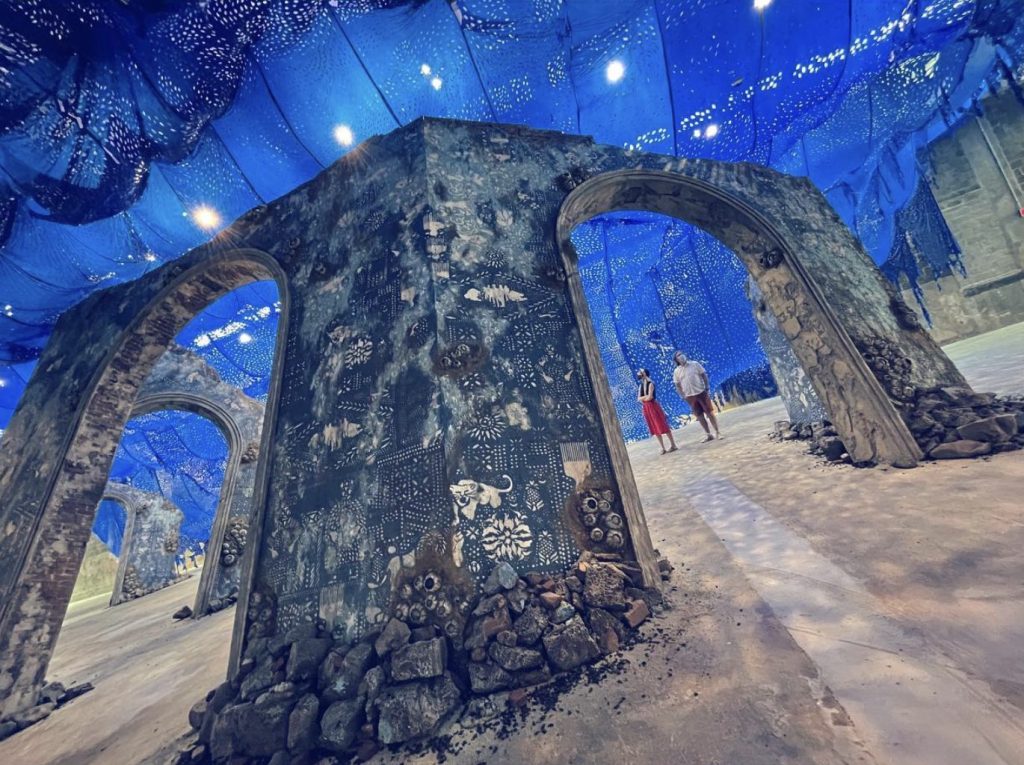
Firelei Báez, To breathe full and free: a declaration, a re-visioning, a correction (19º36’16.9″N 72º13’07.0″W, 42° 21’48.762″ N 71º1’59.628″ W), 2021 -
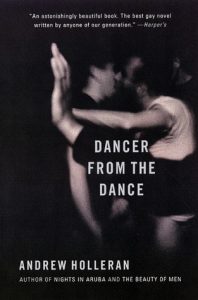
“Now of all the bonds between homosexual friends, none was greater than that between friends who danced together. The friend you danced with, when you had no lover, was the most important person in your life; and for people who went without lovers for years, that was all they had.”
-
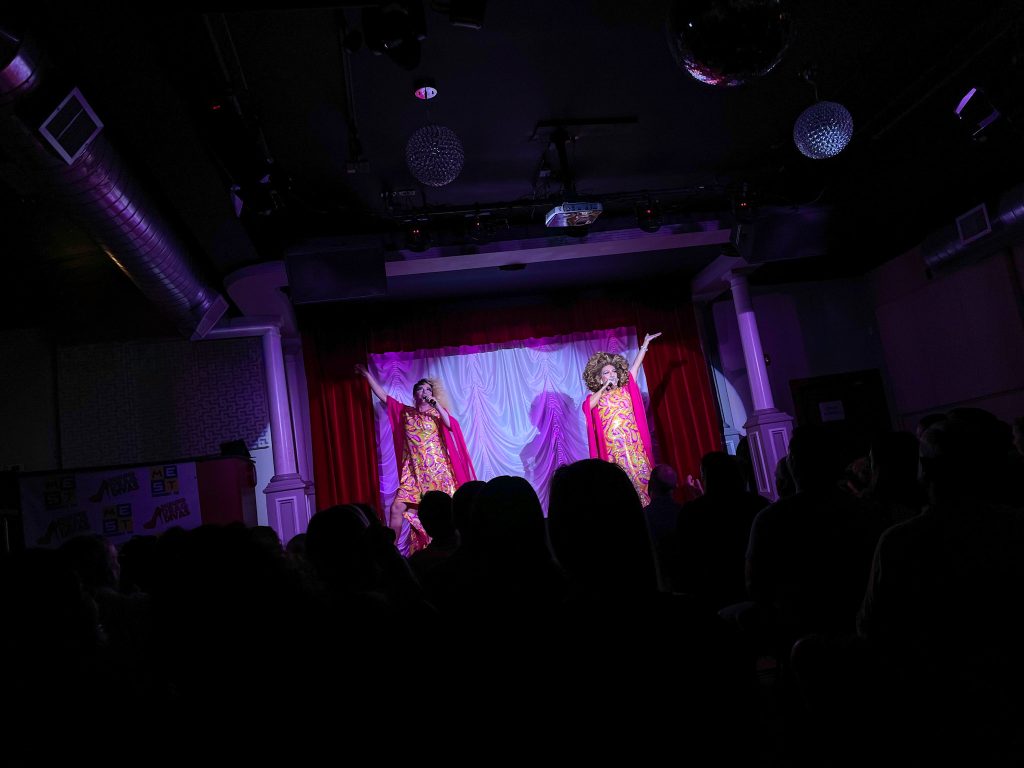
The grand finale