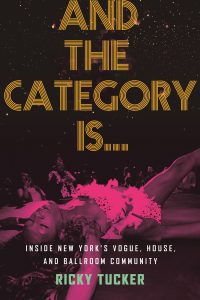
“It’s just a real gentle moment. I’m here by myself and I don’t mind. I kind of wish it could just stay like this for maybe a few years, or I just never moved out of this spot. I could just watch the light stay like this. And maybe somebody coming along and just putting their arms around me for a few minutes.”
Kyle Thomas Hemingway: The ephemera edit
An ongoing digital archive of 1,429 items (and counting) proving that I read, I saw, and I actually paid attention.
Collection
LGBTQIA+
🌈🌈🌈🌈🌈🌈🌈🌈
-
-
“Most art will disappear. The past is edited so it always looks clearer to us. Today always looks a bit of a jumble. We’ll put up with rubbish from now, but not with rubbish from the past.”
-
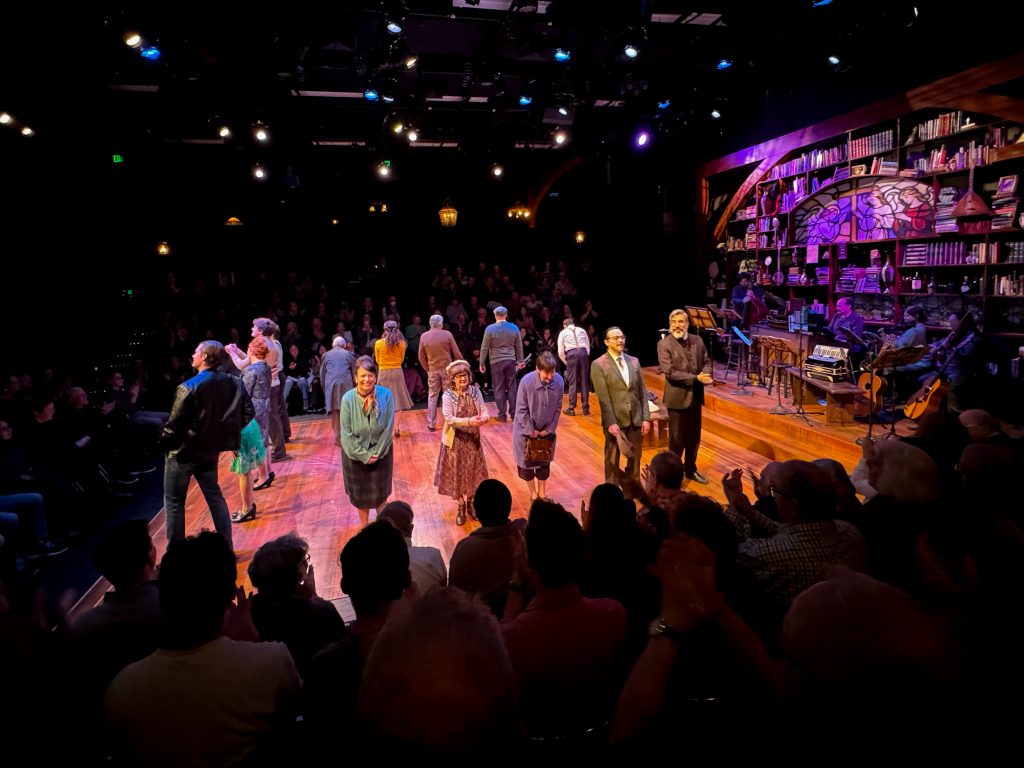
Curtain call at A Man of No Importance -
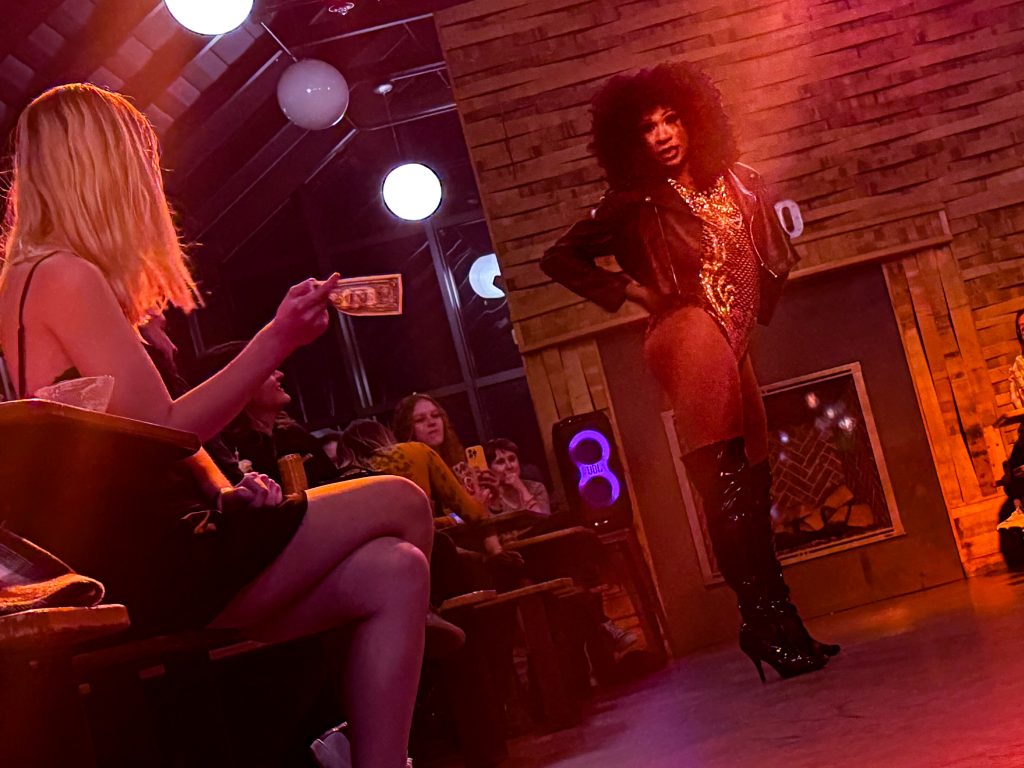
Lilly Rose Valore strikes a pose -
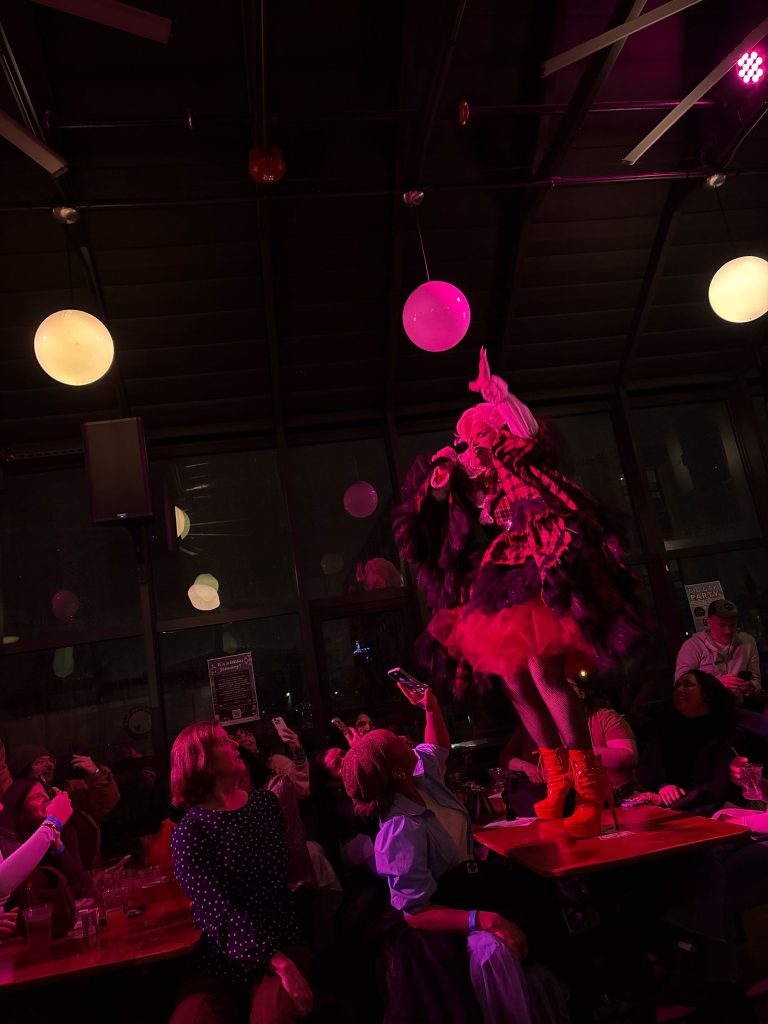
Patty Bourée defies gravity -
“Do you know what they get to keep if you stay here? You want them to have all the height and all the power? You just gonna let them have Billie’s flower? If they get that, then they get Ella’s scat, they get Pac’s rap, they get Oprah’s wagon of fat…. and I’ll be damned if I leave and they get to keep Whitney off crack!”
-
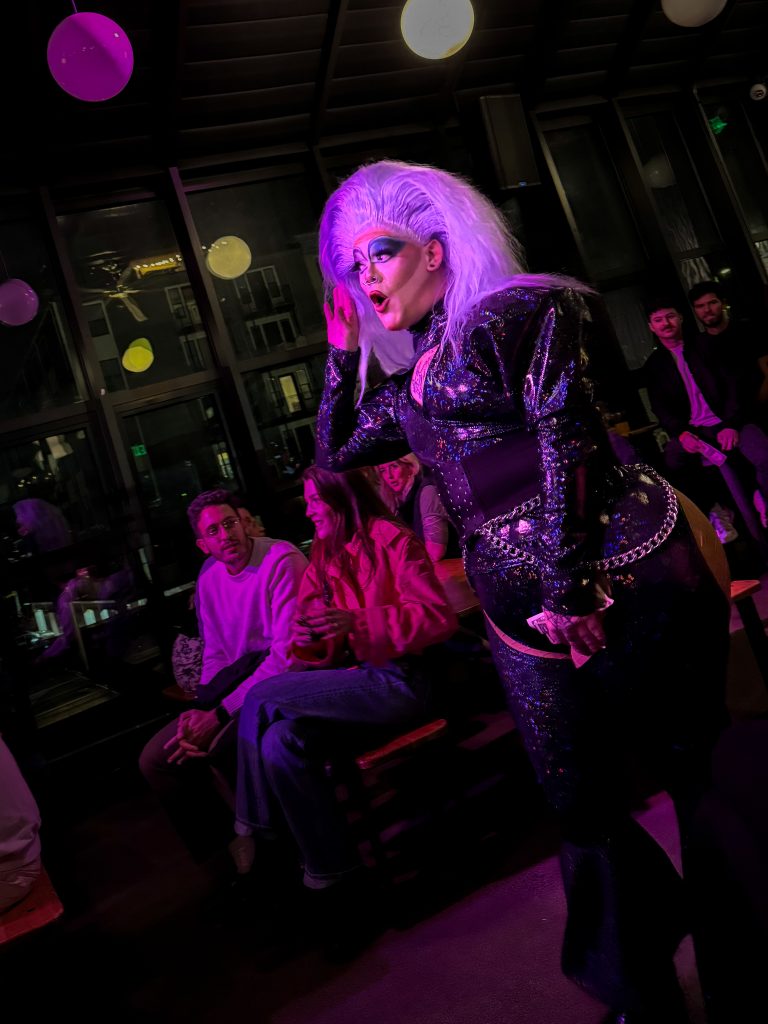
DJ Maxine opens the night -
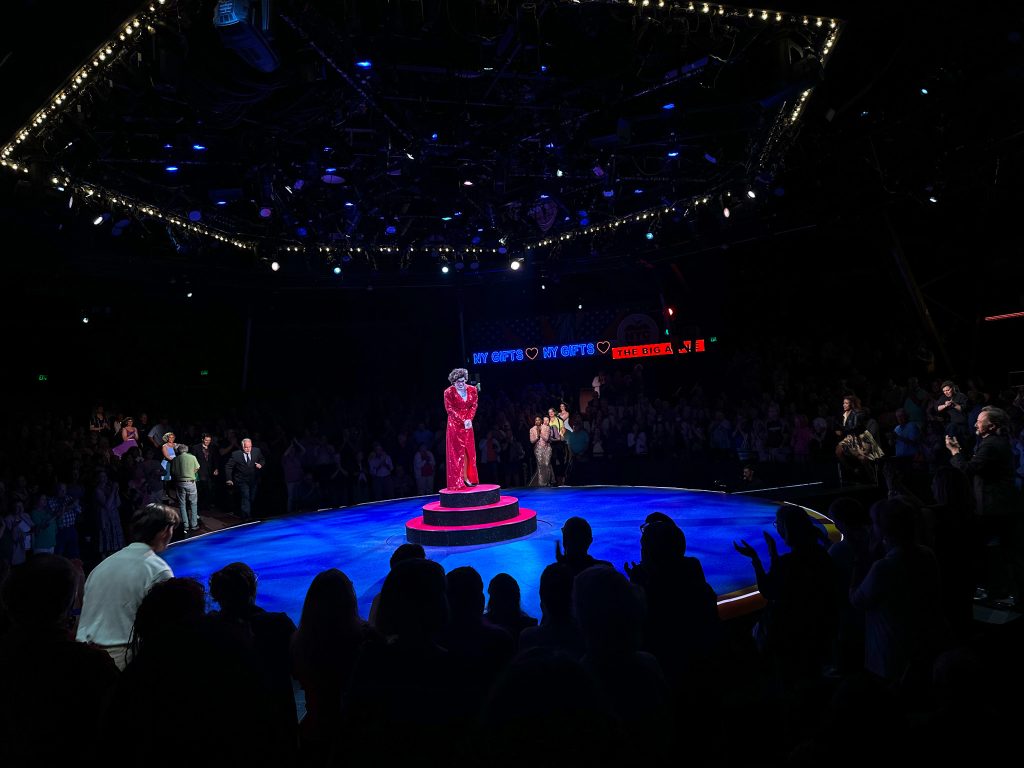
Curtain call at Tootsie -
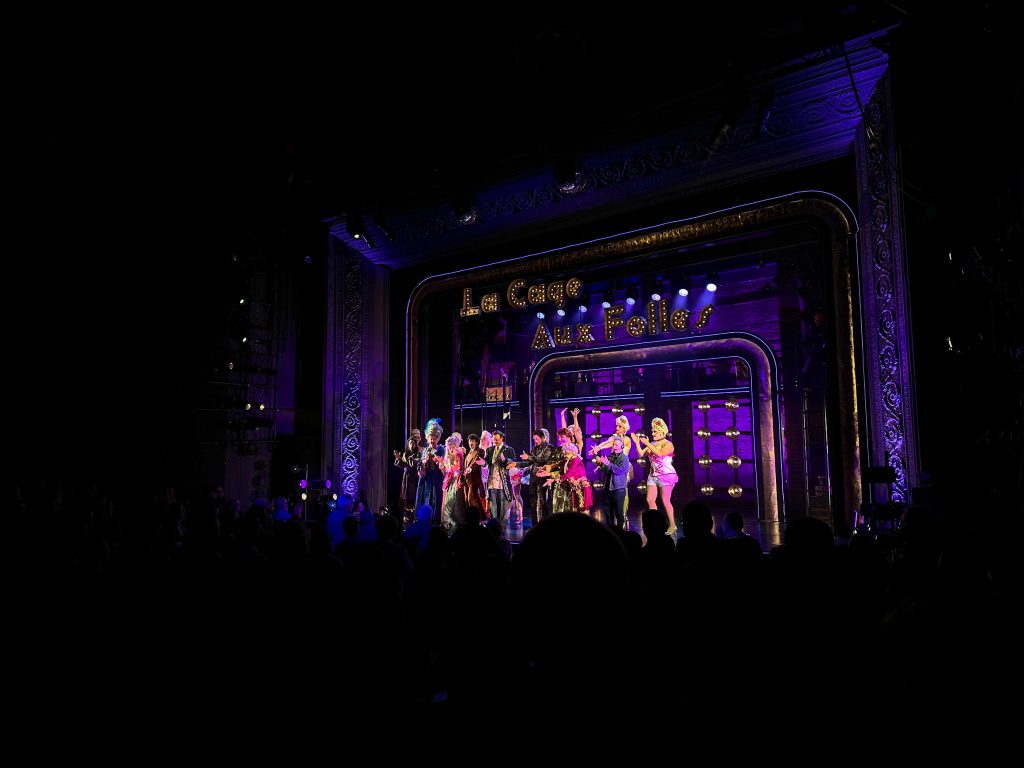
Curtain call at La Cage aux Folles -
“You confuse what’s important with what’s impressive.”
-
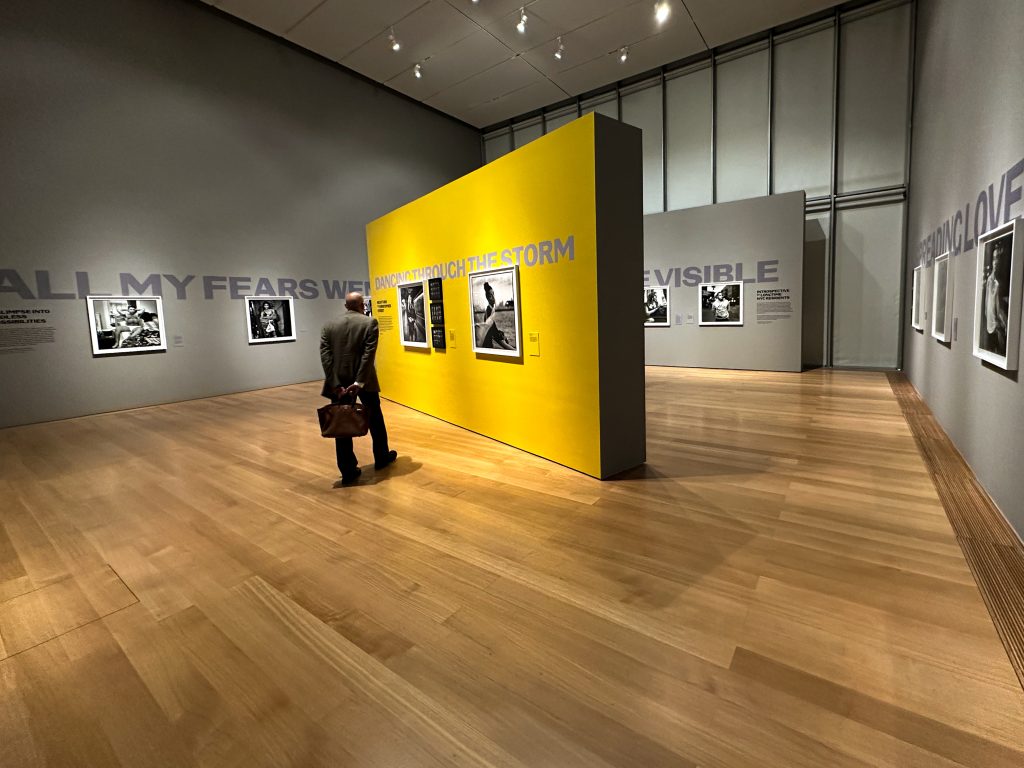
Installation view, On Christopher Street -
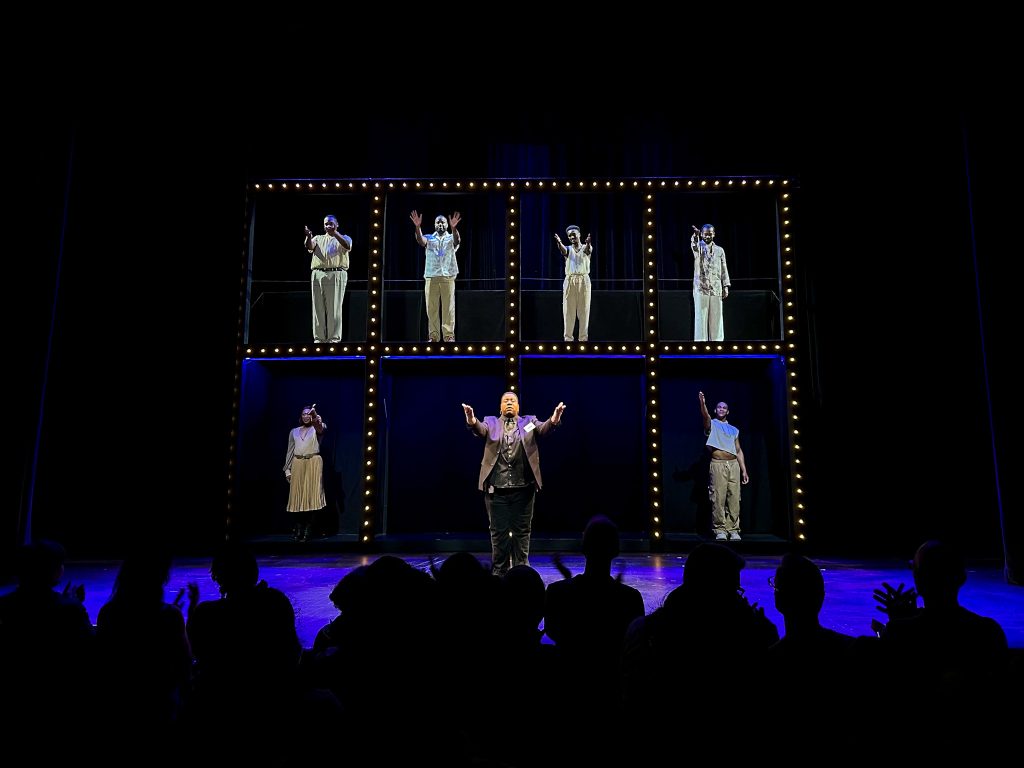
Curtain call at A Strange Loop -
“But now isn’t simply now. Now is also a cold reminder: one whole day later than yesterday, one year later than last year. Every now is labeled with its date, rendering all past nows obsolete, until—later of sooner—perhaps—no, not perhaps—quite certainly: it will come.”
-
“There is a kind of energy born out of shame, formed by and in it, that can act as a force for transformation. This energy finds its expression in a theatricalized identity, in performance, in a love of display or extravagance, in parody. Self-display and theatricality are and have been among the most important means of defying heteronormative hegemony—and this is why they have always been the objects of such virulent attacks.”
-
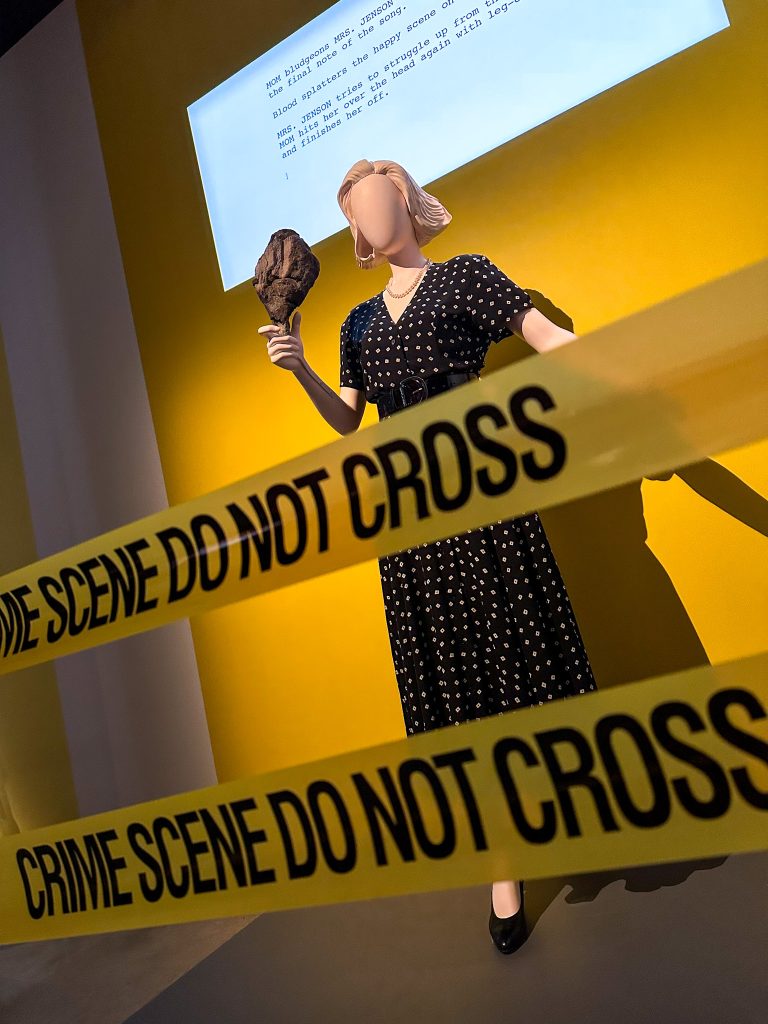
Costume from Serial Mom -
“Can I offer you a roll? Or the chilling tale of how I lost my daughter?”
-
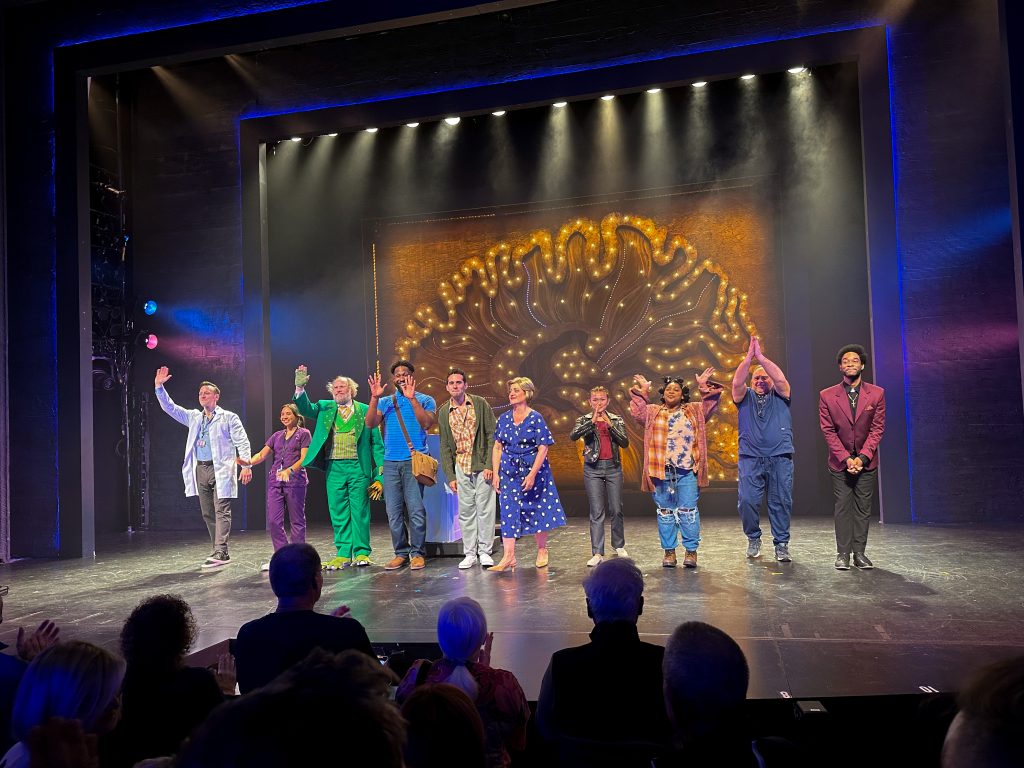
Curtain call at A New Brain -
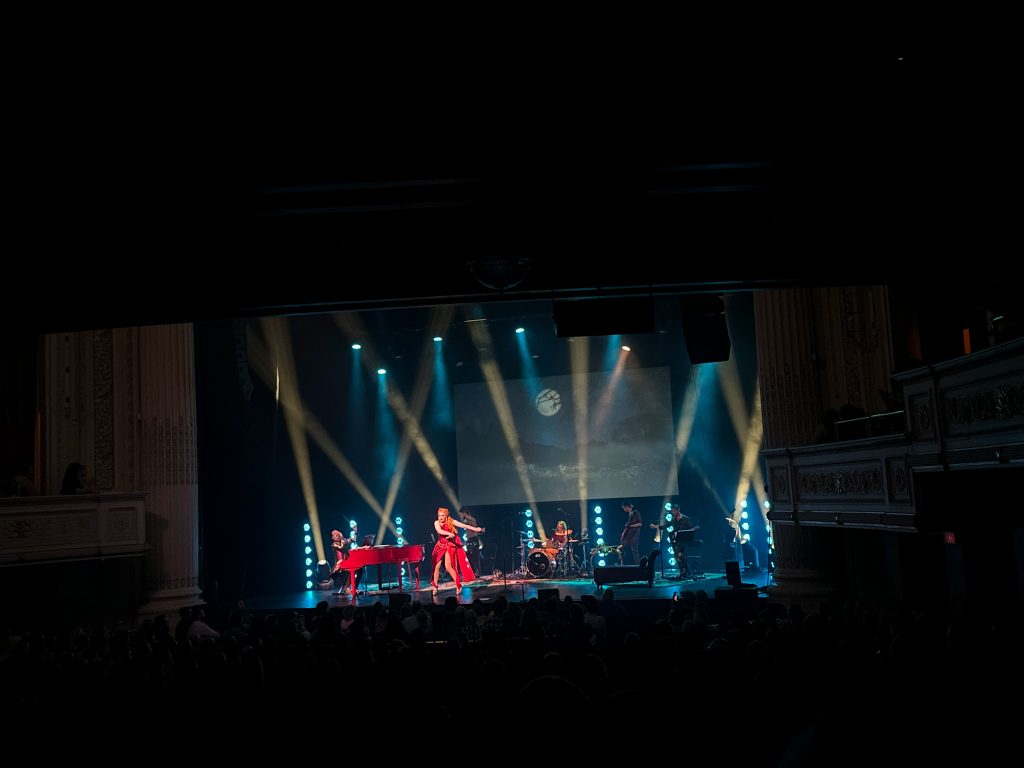
Jinkx Monsoon performs with her band -
“…this idea of how we can individually and collectively reenact or instead metabolize and recover from trauma in our bodies is most intriguing. How being a trans woman successfully walking body after your transition, finally being heralded for your femininity by your peers after being physically threatened, endangered, and brutalized by the outside world for not blending in might just be a type of bodily recovery from a lifetime of such trauma.”
-
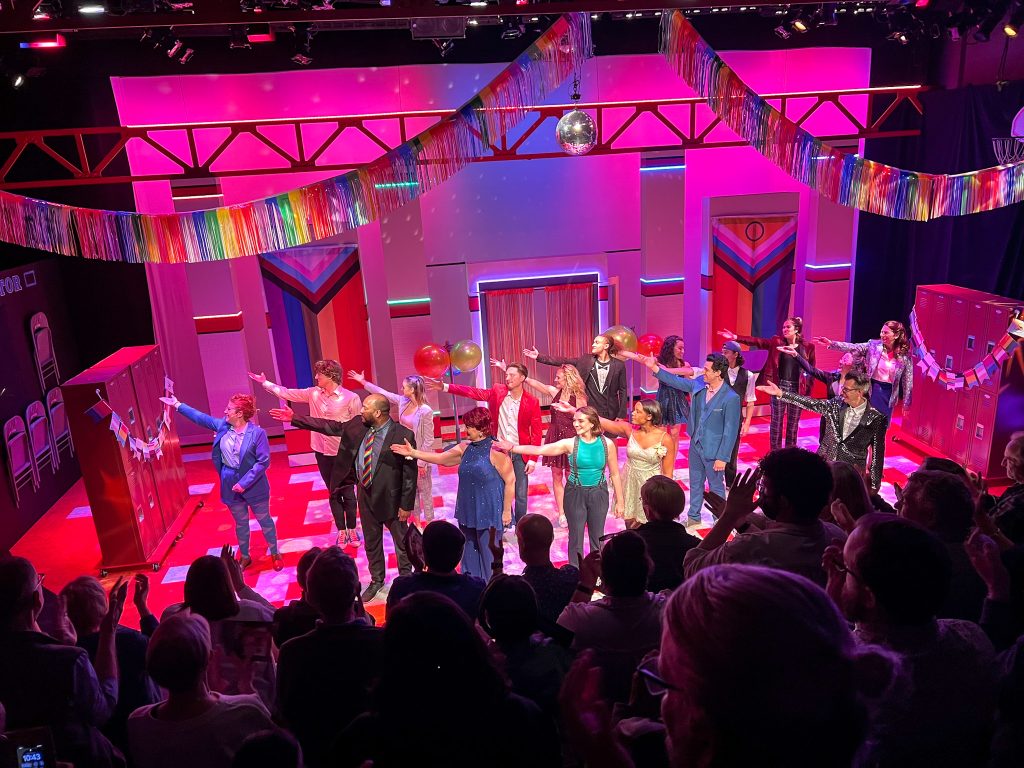
Curtain call at The Prom