An ongoing digital archive of 1,429 items (and counting) proving that I read, I saw, and I actually paid attention.
Collection
Fashion
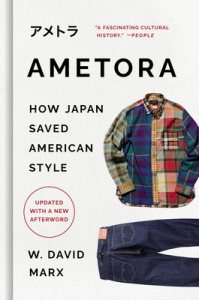
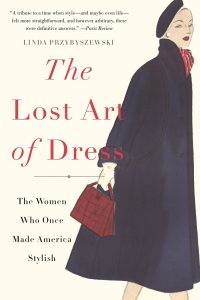
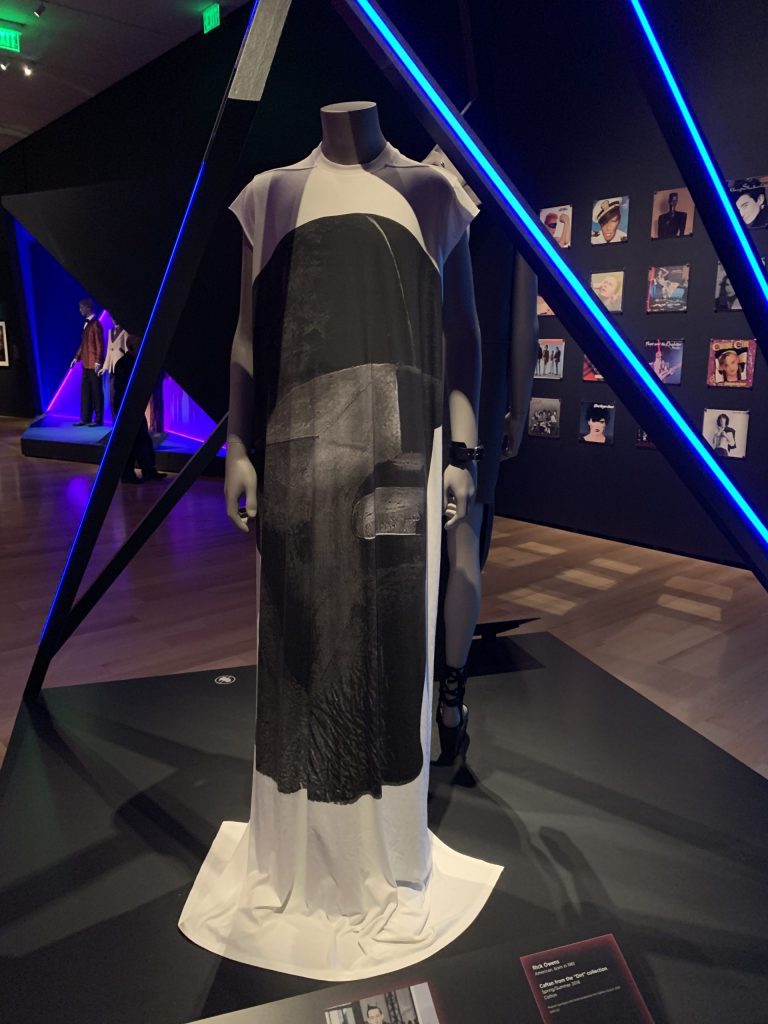
“So how did the Japanese save American style? The Americans discarded style as it became unfashionable and moved on to new things. The Japanese collected, analysed and improved it, and sold it back.”
“And the models were encouraged to mill around like starving goats in the parking lot of a methadone clinic in New Jersey?”
“Men, she suggested, should stop looking at clothes as signifiers of gender and class and just enjoy them.”
“What Elsie Mendl had was something else that’s particularly American—an appreciation of vulgarity. Vulgarity is a very important ingredient in life. I’m a great believer in vulgarity—if it’s got vitality. A little bad taste is like a nice splash of paprika. We all need a splash of bad taste—it’s hearty, it’s healthy, it’s physical. I think we could use more of it. No taste is what I’m against.”
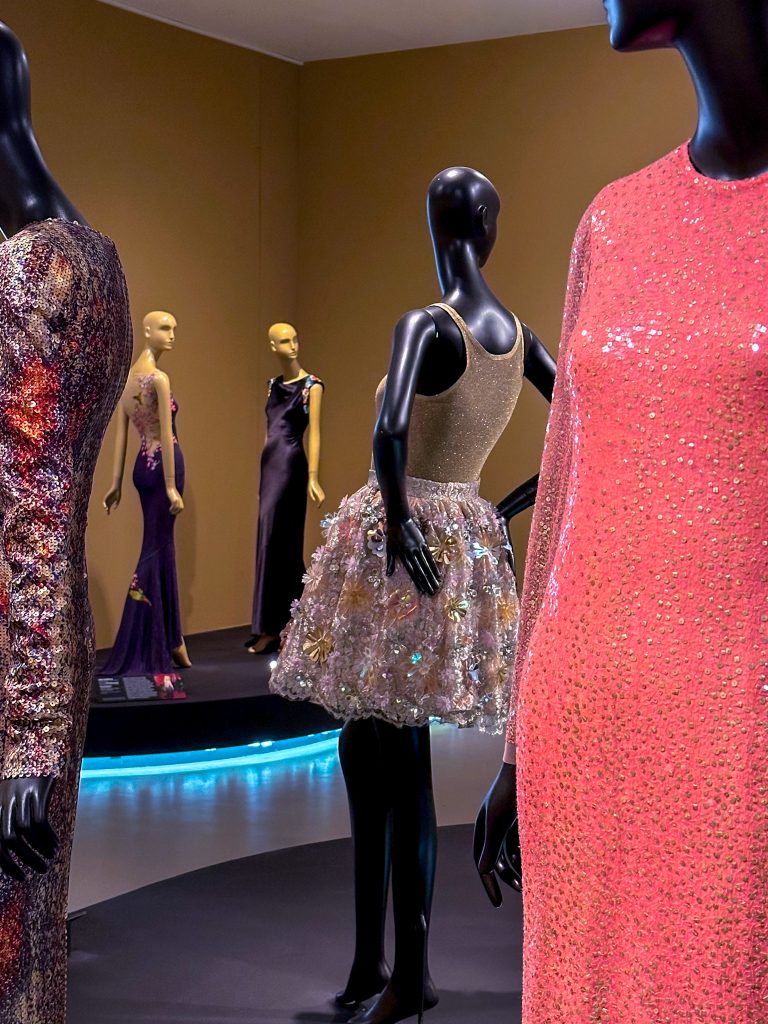
“As the garment industry left the United States, it undid the work of industrial feminists like Clara Lemlich and Rose Schneiderman, who had the audacity to demand that intellectual satisfaction was the birthright of every sewing machine operator. This new brand of feminism didn’t care to protect sewing work as good work; rather it scoured the earth to find the cheapest new sources of exploitable, female labor.”
“Real luxurious people hate status. You don’t look rich because you have a rich dress. When you look at a person, do you see the spirit or the sexiness or the creativity? Just to see a big diamond, what does it mean? It’s all about satisfaction. I think it’s horrible, this judgment based on money. It’s all an illusion that you look better because you have a symbol of luxury. Really, it doesn’t bring you anything. It’s so banal.”
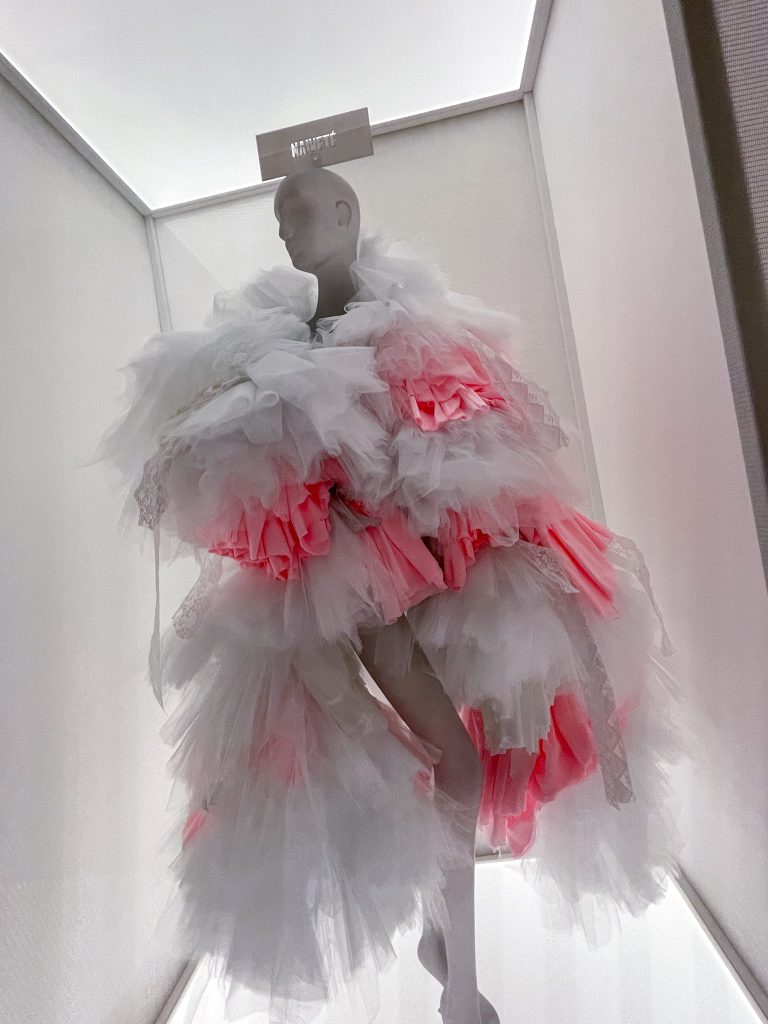
“If you cannot walk more than a block in your shoes, they are not shoes; they are pretty sculptures that you happen to have attached to your feet. You could hang them from your wrists for all the good they are doing you in terms of locomotion. Better to put them on a shelf and admire them from afar.”
“…from her earliest days at Versailles, Marie Antoinette staged a revolt against entrenched court etiquette by turning her clothes and other accoutrements into defiant expressions of autonomy and prestige…it is my belief that she identified fashion as a key weapon in her struggle for personal prestige, authority, and sometimes mere survival.”
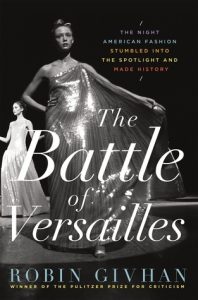
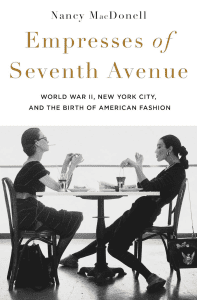
“The evening of Wednesday, November 28, 1973, as guests began arriving at Versailles, the palace glowed under a full moon and through a scrim of light snow—the first dusting of the season. Red uniformed, saber-wielding gendarmes flanked the gilded palace gates, along with some four hundred footmen in eighteenth-century white powdered wigs and livery. Marie-Hélène de Rothschild, dressed in green, ostrich-trimmed gown by Yves Saint Laurent and with solitary diamonds pinned in her thick hair greeted guests; brushing kisses on the cheeks of the French and offering handshakes to the Americans.”
“Once we see that authenticity is a positional good with its own self-radicalising dynamic, it becomes easier to understand a lot of what is going on in the culture. Most importantly, it helps us understand the motivation behind the distinction between authenticity and ‘authenticity,’ or between the genuine form and the fake version. And to repeat, it has nothing to do with co-optation or selling out: it is nothing more than the difference between a form of conspicuous behaviour where the uselessness of the activity remains implicit, and one where its function as a locus of status-seeking becomes cringe-inducingly explicit.”