
Kyle Thomas Hemingway: The ephemera edit
An ongoing digital archive of 1,429 items (and counting) proving that I read, I saw, and I actually paid attention.
-
Curtain call at Something Rotten! -
-
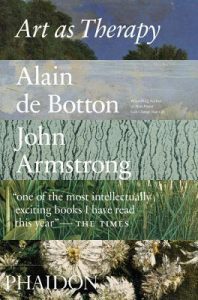
“Curiosity takes ignorance seriously, and is confident enough to admit when it does not know. It is aware of not knowing, and it sets out to do something about it”
-
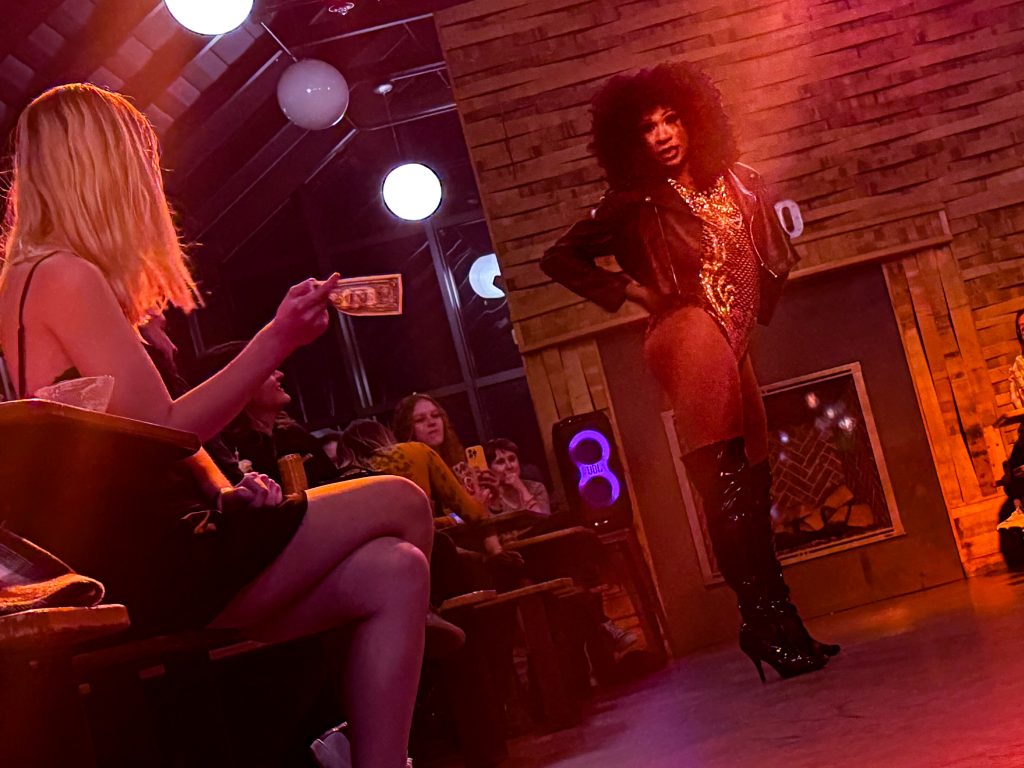
Lilly Rose Valore strikes a pose -
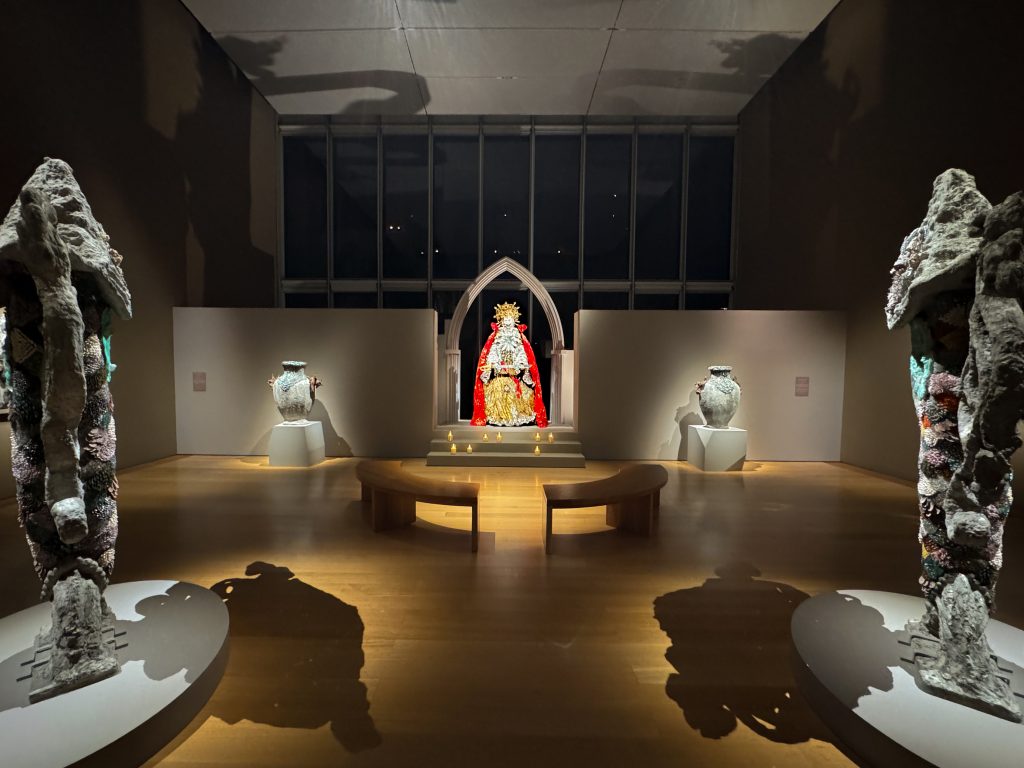
Installation view, Waters of the Abyss -
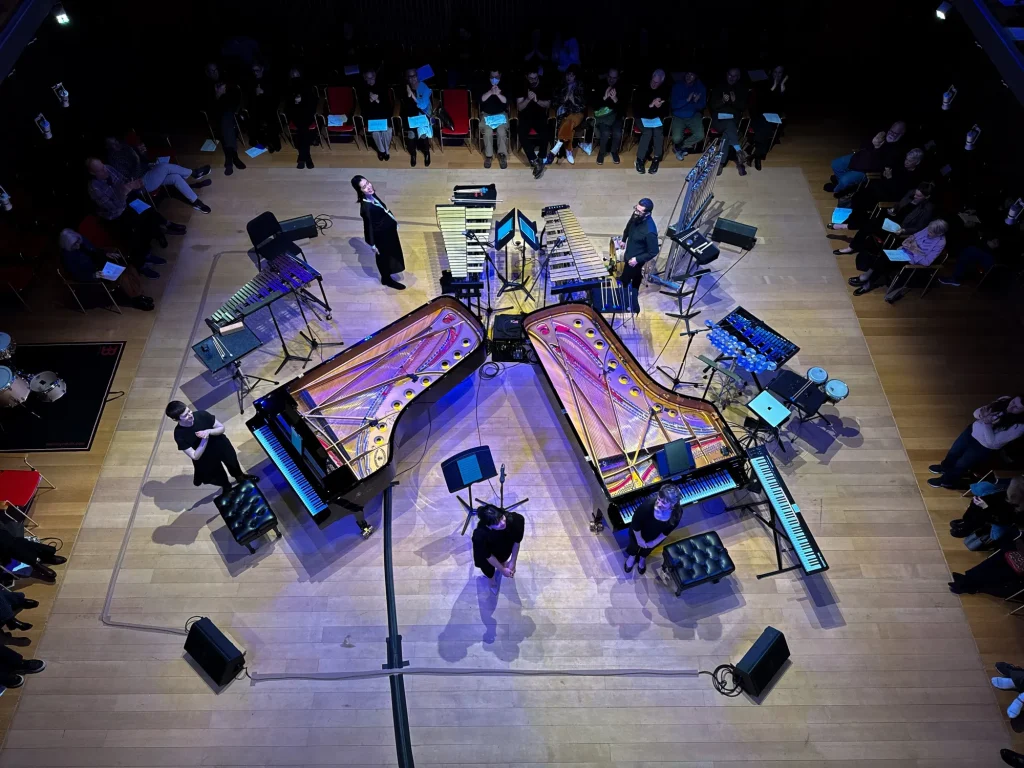
The ensemble takes a bow -
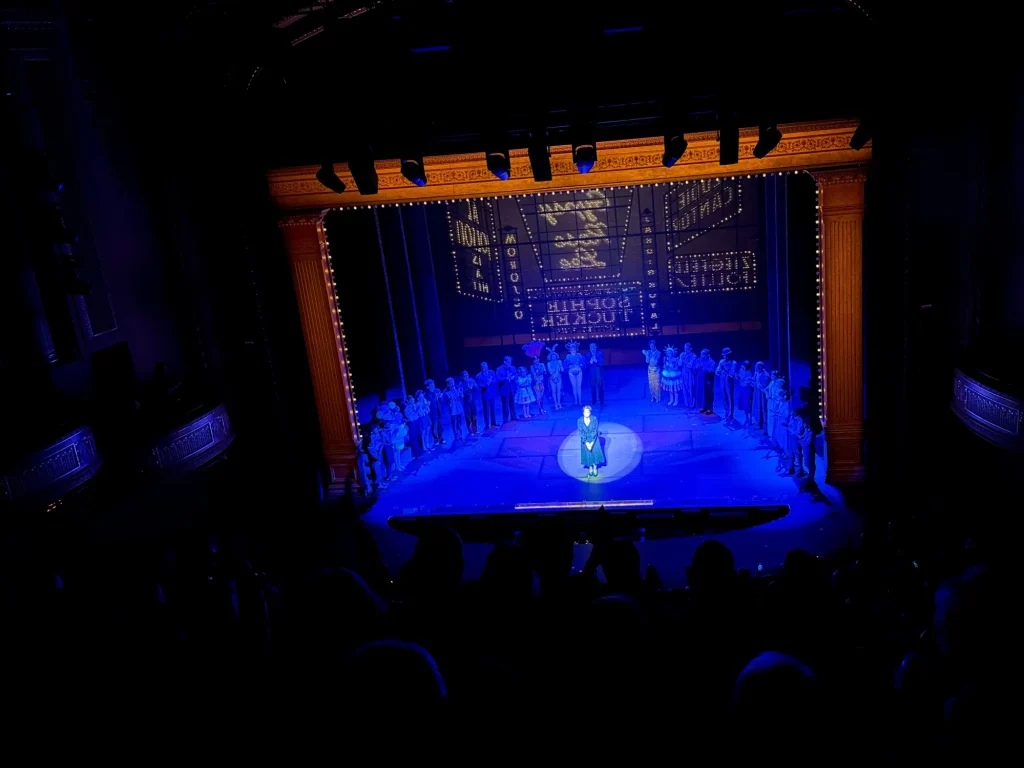
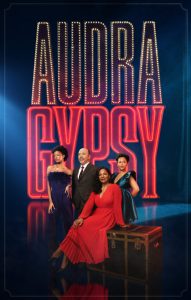
Curtain call at Gypsy -
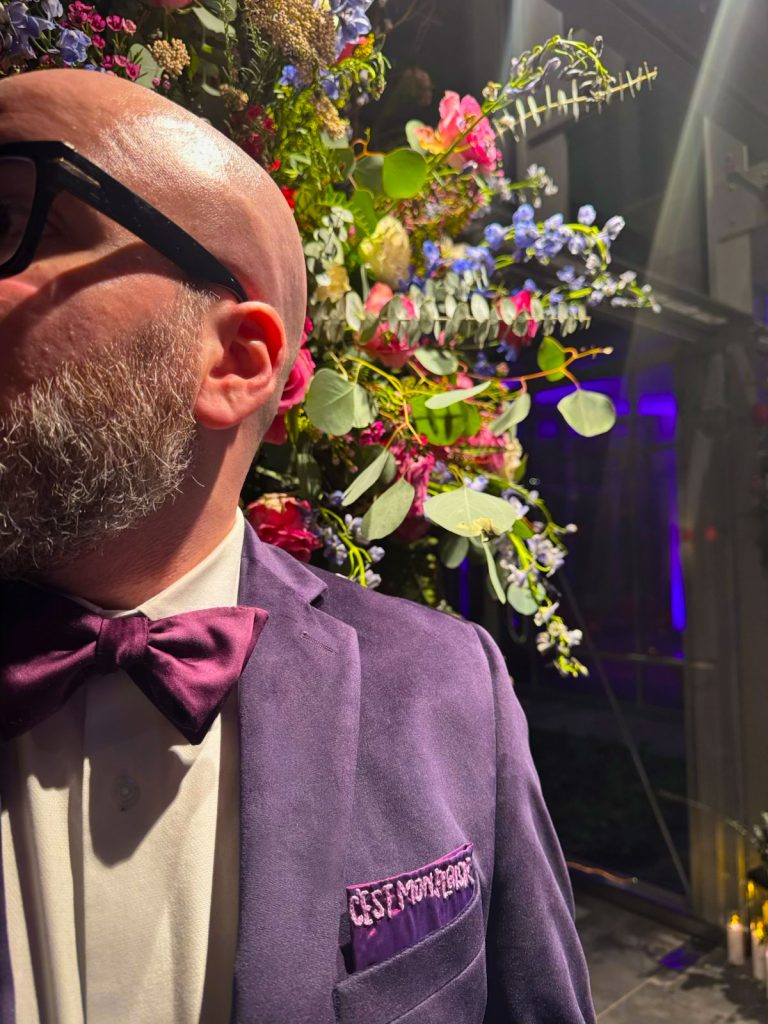
My outfit for The Velvet Party with my C’est mon plaisir pocket square -
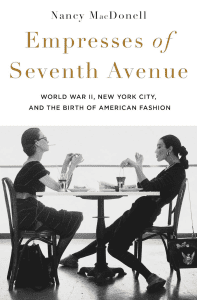
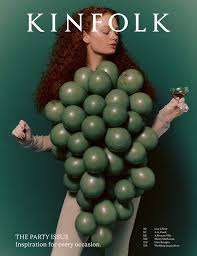
“Men, she suggested, should stop looking at clothes as signifiers of gender and class and just enjoy them.”
-
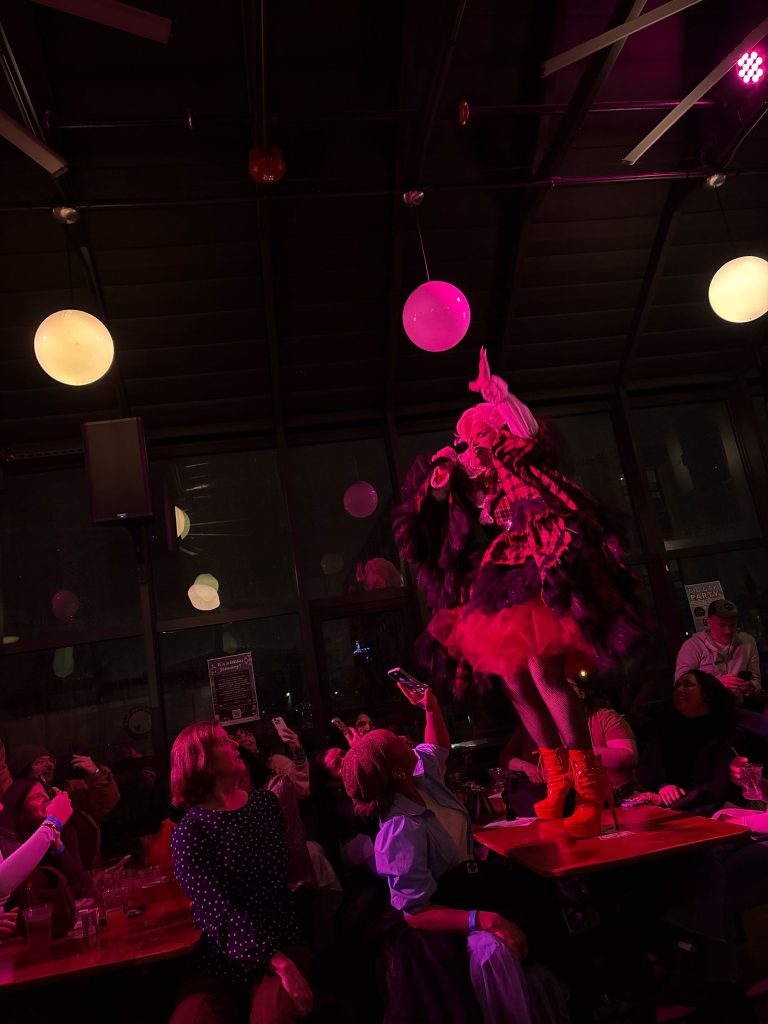
Patty Bourée defies gravity -
“Do you know what they get to keep if you stay here? You want them to have all the height and all the power? You just gonna let them have Billie’s flower? If they get that, then they get Ella’s scat, they get Pac’s rap, they get Oprah’s wagon of fat…. and I’ll be damned if I leave and they get to keep Whitney off crack!”
-
“I am what God made me. And perhaps it is my difference that will make me more useful.”
-
“Book me a table at a café where the waiters know who I am. I’m in the mood for adulation.”
-
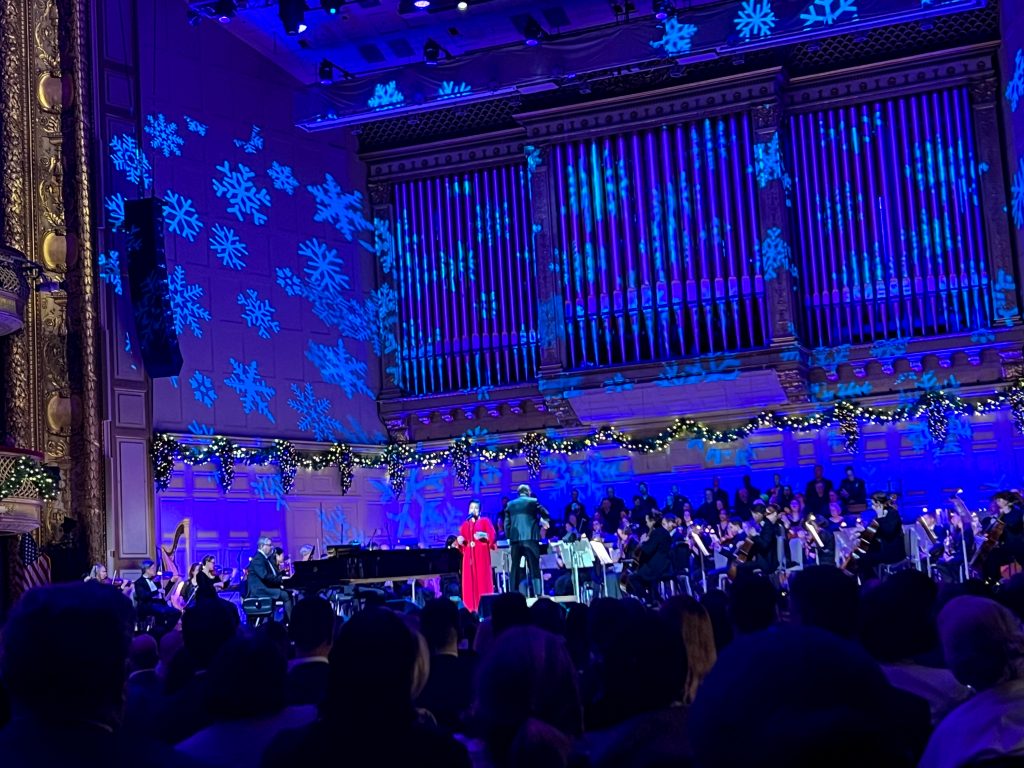
Lea Salonga sings with the Boston Pops -
“Feels like being wrapped in kittens.”
-
“It strikes me that the glory of art is the glory of survival, for survival is an inhuman property. It is an attribute of mountains and objects, of the worthless toys in the children’s bedroom at home that will outlive us all. That which is human decays and disappears, only in art does the quality of humanity favor survival. Only in art is a record kept of an instant, that the next instant does not erase.”
-
“Today there are increasingly fewer mysteries in our scientific, overdocumented world. So—with even shimmering monoliths now humdrum—where can we turn to find the mystery in our lives? Perhaps the best place to start is the landscape in which they appear. Touch the earth, observe the clouds, consider the extraordinary statistical unlikeliness of evolution and chance which has led you to this exact moment, on a planet spinning at 1,000 miles an hour in a mostly uncharted universe. It makes you wonder, at least.”
-
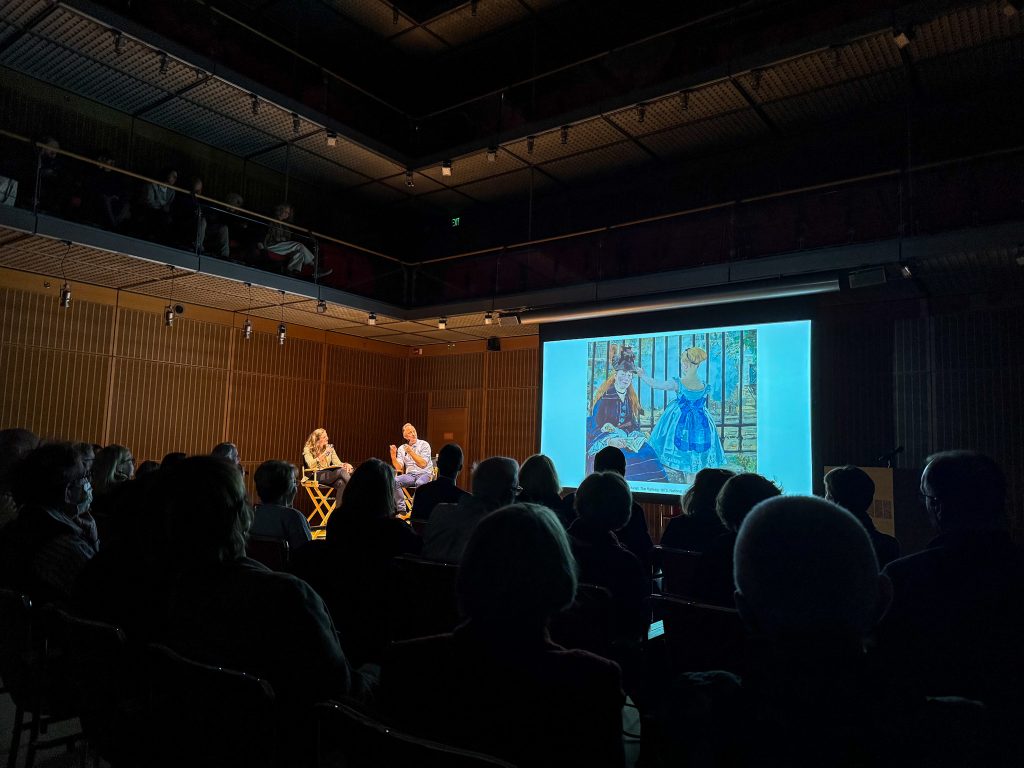
Sebastian Smee and Diana Seave Greenwald discuss a painting -
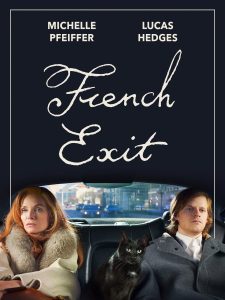
“I told Don I had to run to Paris because I thought you might kill yourself. He was fiddling with the remote. He told me, ‘Tell her hello, if you get there in time.’”
-
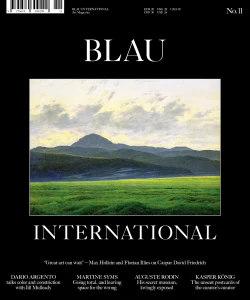
“Moving in bubbles, using knowledge as esoteric power, and making shows about themselves rather than about the artists: seeing some prominent super-curators of younger generations at his graveside, I could not help but think how much [Kasper] König detested some of his profession’s currently rather ubiquitous traits. Yet, he of course had priceless advice for them all: ‘If something in a show is too small, make it smaller,’ he would say. ‘And if it’s too big, make it bigger.’”