Kyle Thomas Hemingway: The ephemera edit
An ongoing digital archive proving that I read, I saw, and I actually paid attention.
-
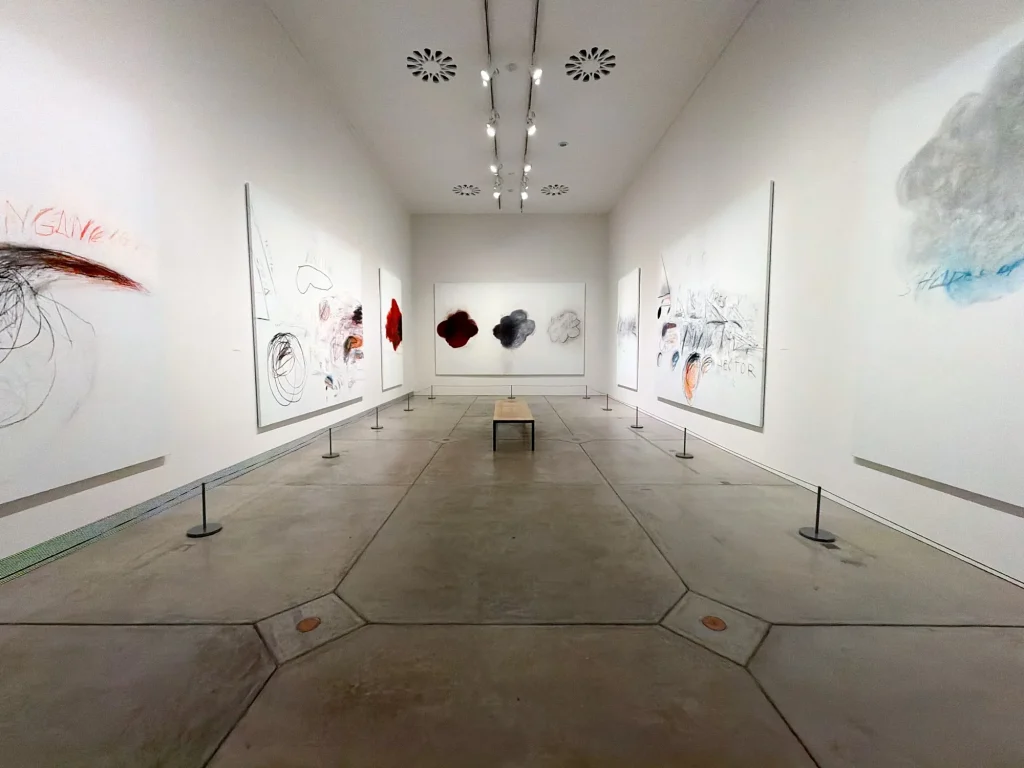
Philadelphia Museum of Art
Cy Twombly, Fifty Days at Iliam, 1978 -
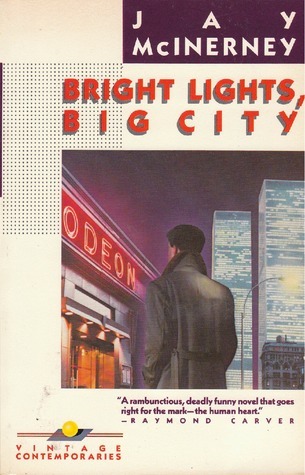
Bright Lights, Big City
“But what you are left with is a premonition of the way your life will fade behind you, like a book you have read too quickly, leaving a dwindling trail of images and emotions, until all you can remember is a name.”
-

Limbo
“Limbo is at the apex of visual sophistication: an extra-dimensional loft done out in luxury-plain Jil Sander grey. Empty and placid, with not even a reproduction Eames chair to interrupt the anodyne tastefulness. No mess, no colour, no life. No hint of recidivist ornament – Adolf Loos would have loved limbo. In Harold Pinter’s words, a ‘No man’s land, which never moves, which never changes, which never grows older, which remains forever icy and silent.’”
-
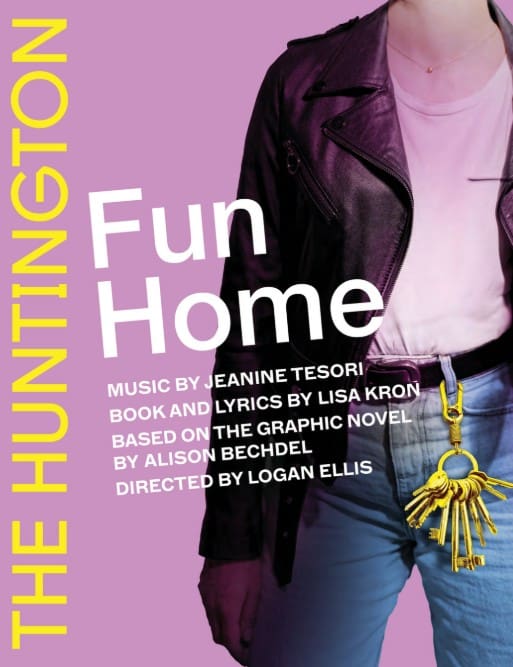
Fun Home
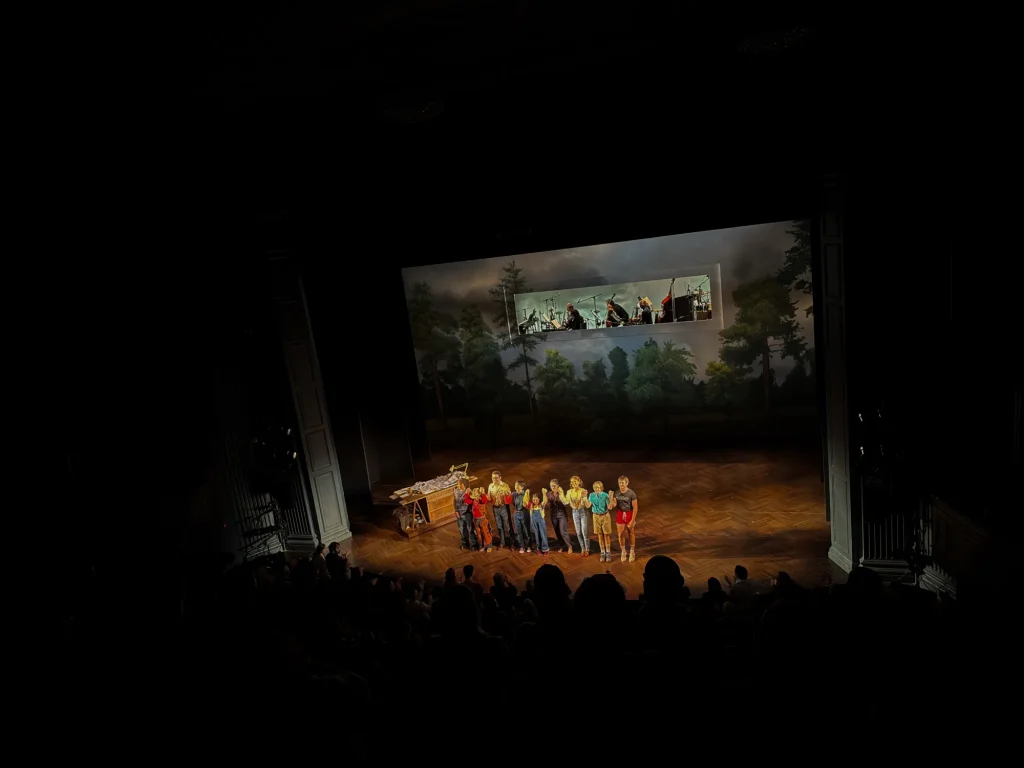
Curtain call at Fun Home -
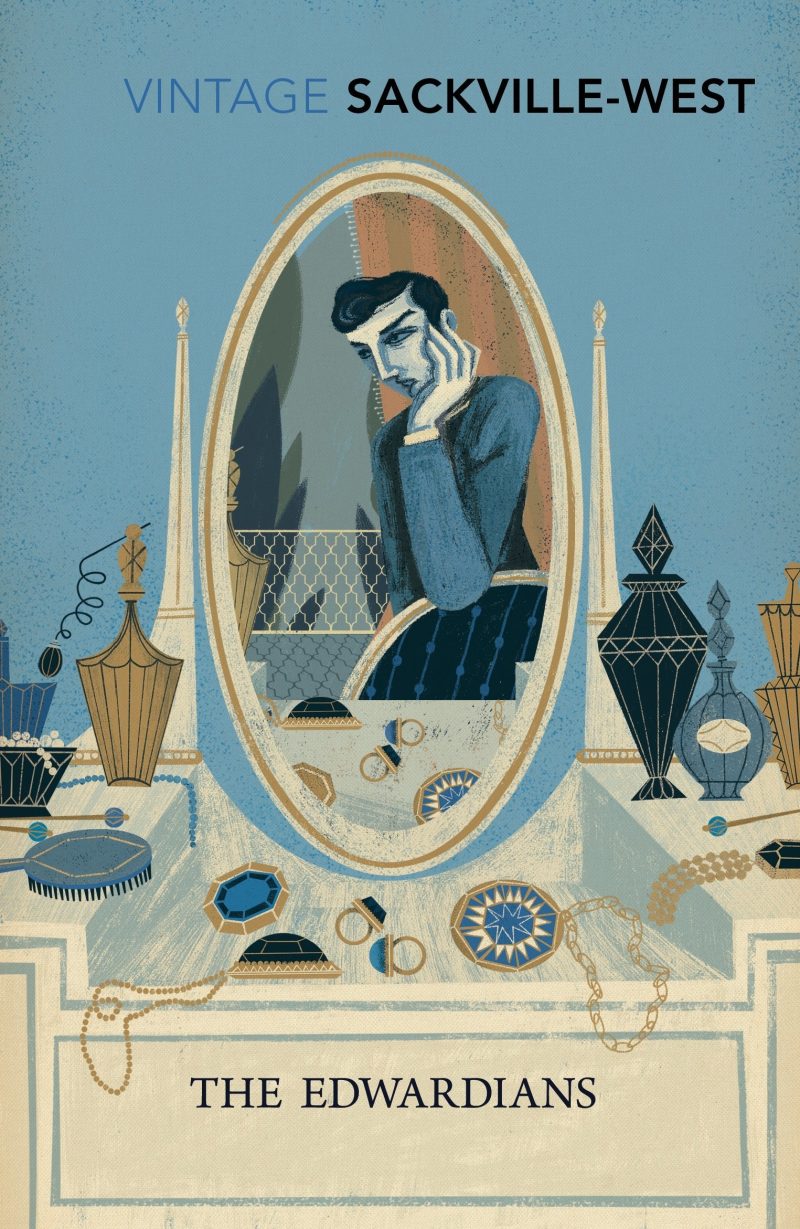
The Edwardians
“‘Since one cannot have truth,’ cried Sebastian, struggling into his evening shirt, ‘let us at least have good manners.’”
-
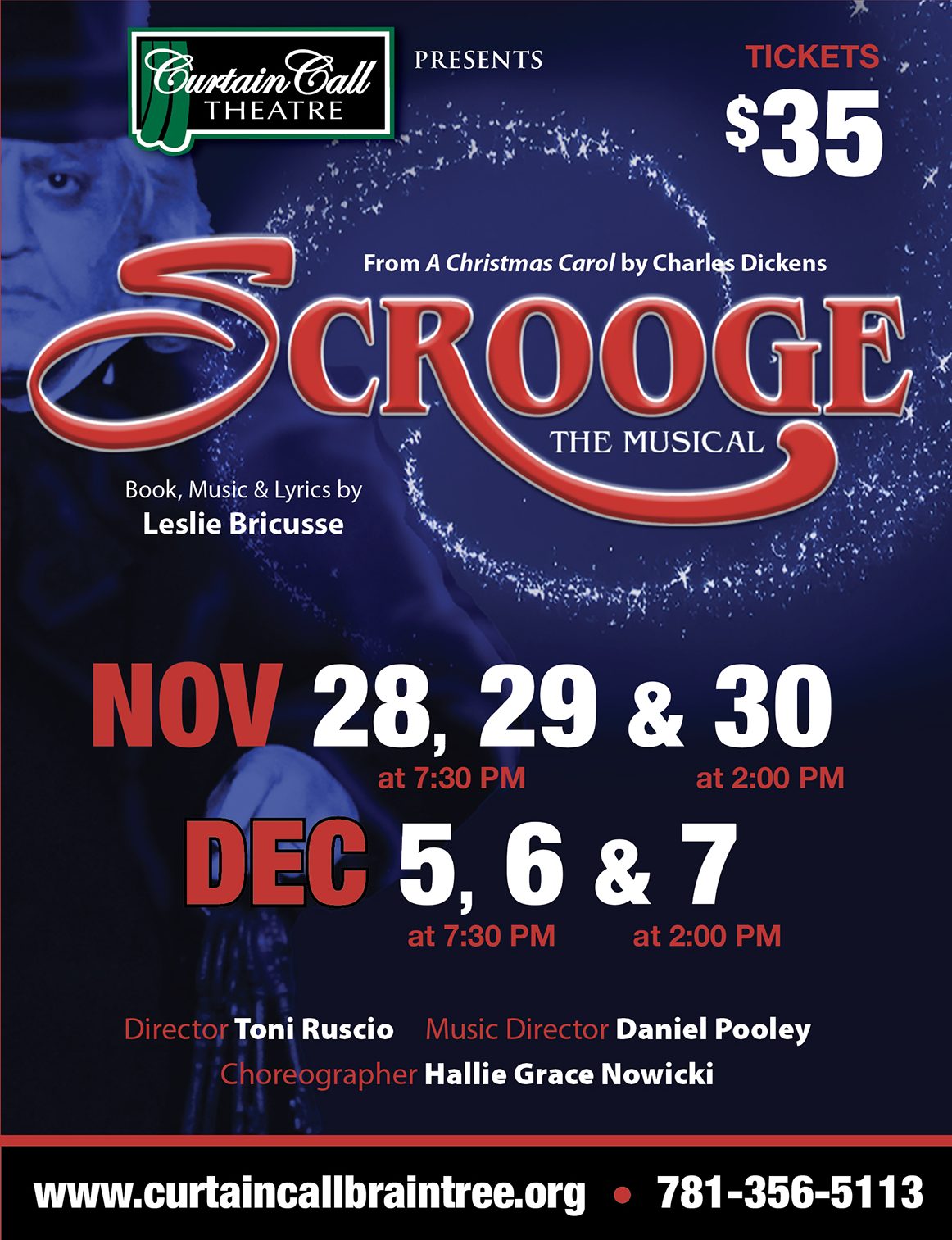
Scrooge: The Musical
“Christmas children peek through Christmas windows.”
-
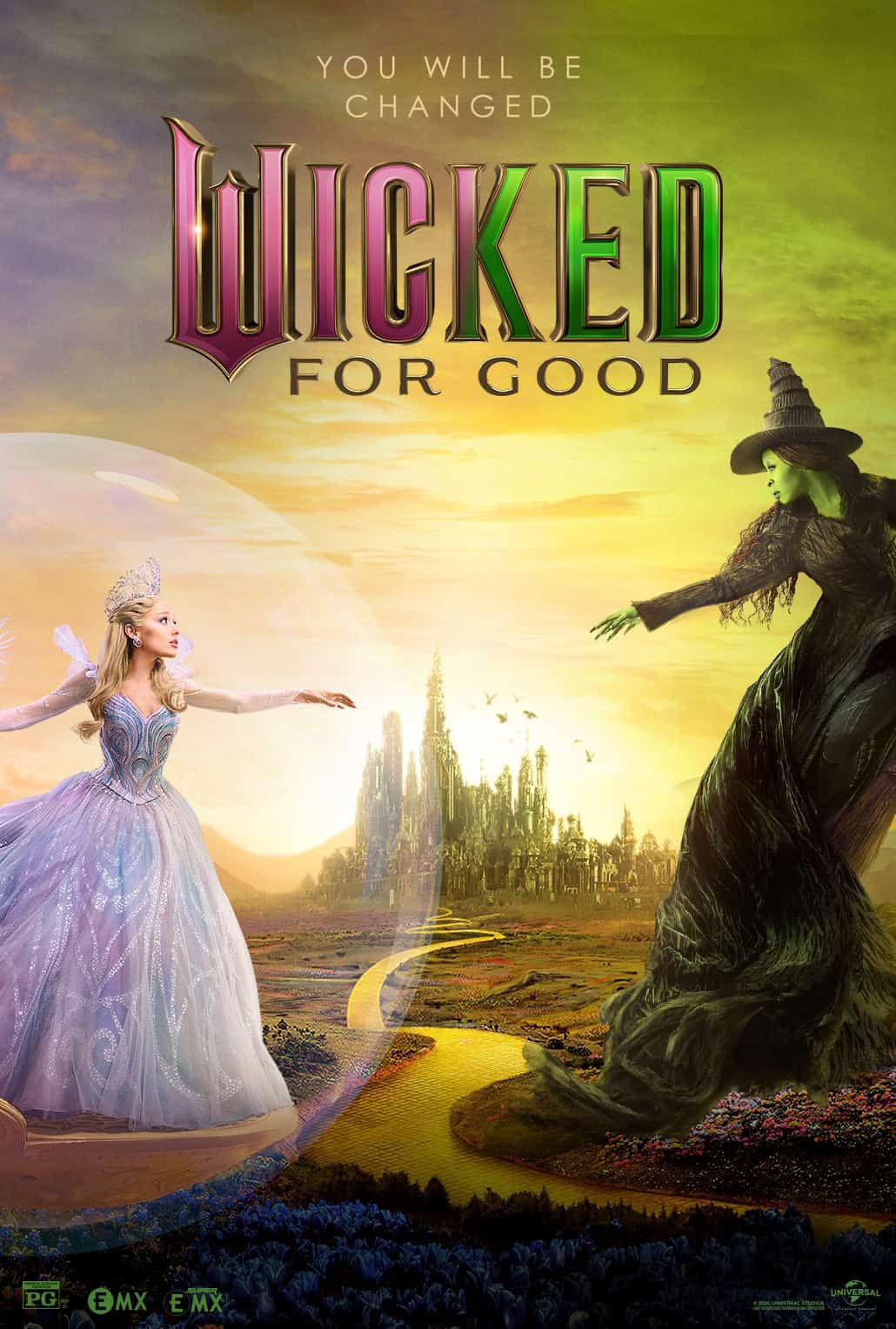
Wicked: For Good
“You see, back where I come from, we got a whole lot of people who believe all sorts of things that aren’t true. You know what we call it? History.”
-

Sasha Cooke, mezzo-soprano
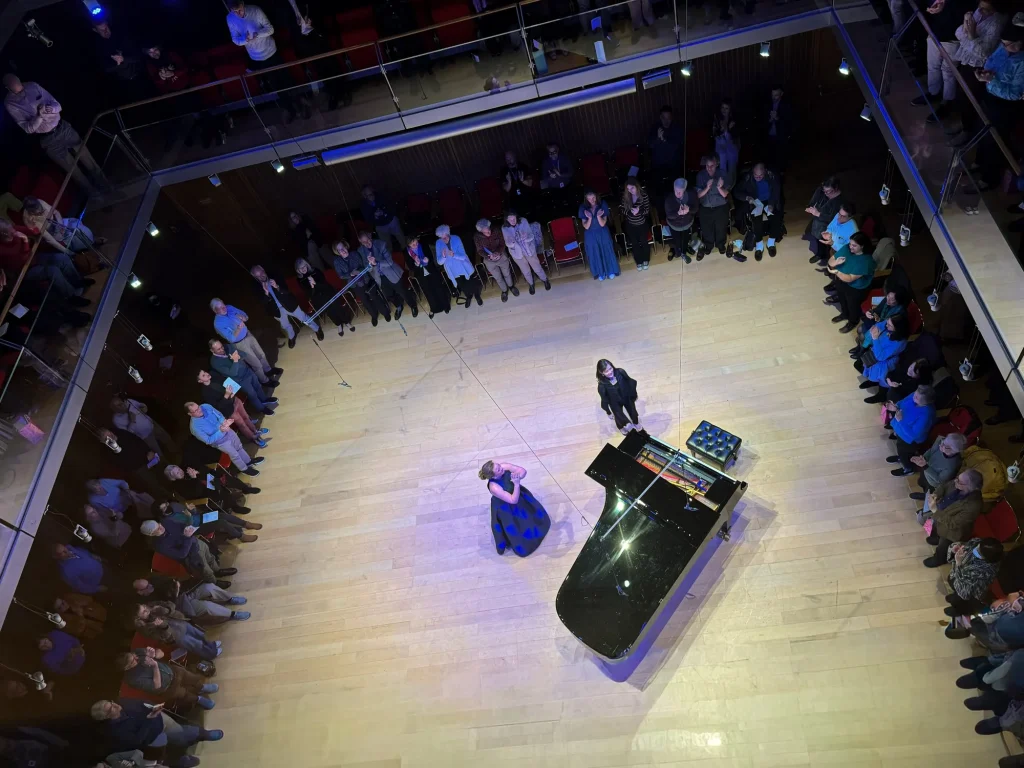
Sasha Cooke and Myra Huang take a bow -
Of Light and Air: Winslow Homer in Watercolor
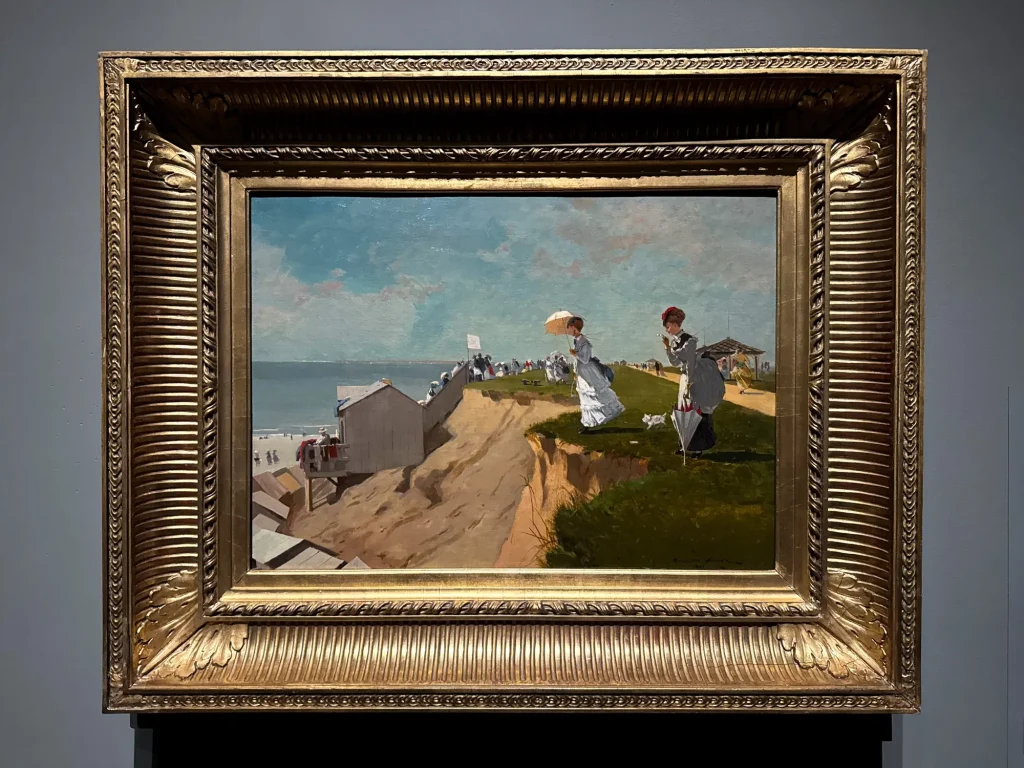
Winslow Homer, Long Branch, New Jersey, 1869 -
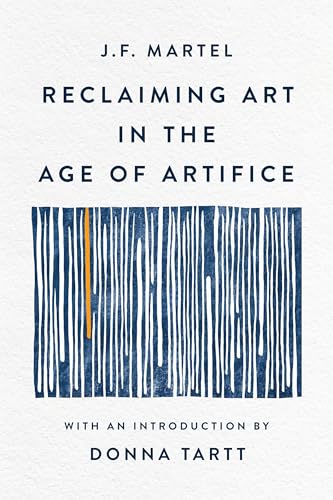
Reclaiming Art in the Age of Artifice
“Any adequate response to the mystery of existence must be poetic, for only the poetic can take on the ‘why.’”