An ongoing digital archive of 1,429 items (and counting) proving that I read, I saw, and I actually paid attention.
Collection
Art history
“Make people think again. We may believe that we’re at the pinnacle of awareness, civilization, and knowledge. We are, in fact, in the Dark Ages. Nobody is thinking for themselves. That’s why we need institutions to provide education, to offer a forum where things are open and where we can listen to alternative voices. Make people think again. It’s a simple thing. But think again.” (Alain Servais)
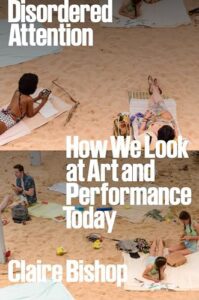
“Of course, the larger context for such visual saturation lies beyond exhibition culture. The pressure placed upon the human capacity to digest information is an inevitable outcome of the attention economy, in which businesses compete for consumers’ consideration, as measured by clicks on pop-ups, sponsored posts, personalized offers, etc. In this marketplace, the supply of information isn’t lacking; what’s scarce is the limited reserve of human attention.”
“That’s something I really enjoy, to kind of stick your brain into somebody else’s brain and figure out how he or she did something. There is a real learning process that is happening there, and it’s how I learned about so much. There is a sort of embodied element to it, you have to actually go through the process, and I think when you do that there is a lot to be gained.”
“…the writer and critic David Levi Strauss has observed: ‘One could say that the split within curating – between the management and control of public works (law) and the cure of souls (faith) – was there from the beginning. Curators have always been a curious mixture of bureaucrat and priest.’”
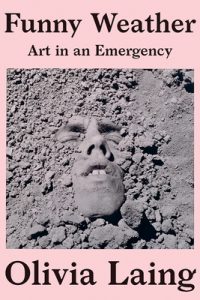
“Any adequate response to the mystery of existence must be poetic, for only the poetic can take on the ‘why.’”
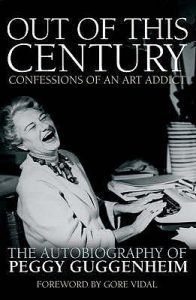
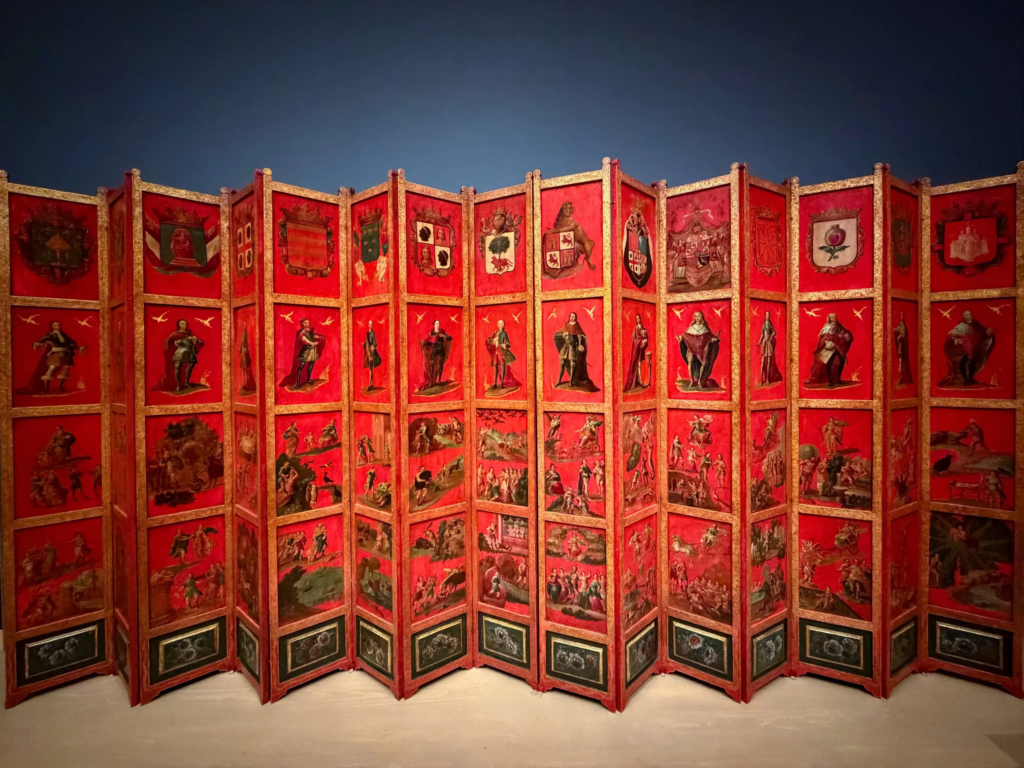
“When the nuns came to be blessed by the Patriarch, who on special holy days, went by my house in a motorboat, I detached the phallus of the horseman and hid it in a drawer. I also did this on certain days when I had to receive stuffy visitors, but occasionally I forgot, and when confronted with this phallus found myself in great embarrassment. The only thing to do in such cases was to ignore it. In Venice a legend spread that I had several phalluses of different sizes, like spare parts, which I used on different occasions.”
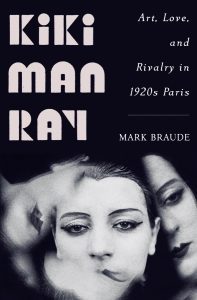
“Kiki’s never sure if she’ll perform, until she does. Sometimes she’s not in the mood, says she’s too drunk. It’s different now that people come here to watch her, now that she stands in front instead of among them. They clang their cutlery and chant her name until she takes her place in the light and starts her slow-motion dance, no distance to lend her mystery, no stage to make her majestic, everyone sharing the same heat and smelling the same sweat.”
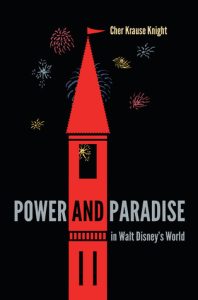
“If you keep a place clean, people will respect it; if you let it get dirty, they’ll make it worse…Just make the park beautiful and you’ll appeal to the best side of people. They all have it; all you have to do is bring it out.”
“The beauty of realization is a beauty that always takes more time to show itself as beauty than pure beauty does…it is only beauty when the things that follow it are created in its image.”
“‘Every member of the audience,’ marvelled one visitor, ‘had a listening-tube, hung on the back of the seat in front, with a pair of little knobs that you placed in your ears; at the other end of the listening-tube a phonograph played a text synchronized with the pictures.’”