“Rituals are the bedrock of our sense-making in this world. According to Nick Hobson and his colleagues at the University of Toronto, they help us regulate emotions, our goal/performance states, and our connection to other people. From the outside, rituals could look irrational or non-functional, because they do not make ‘logical’ sense. But rituals tell a story that can help us make sense of something, and move past it.”
Kyle Thomas Hemingway: The ephemera edit
An ongoing digital archive of 1,410 items (and counting) proving that I read, I saw, and I actually paid attention.
Category is
Magazine
-
-
“This need to ‘civilize’ nature is present far beyond the world of pets; it’s expressed in everything from manicured parks to privat hedges pruned to resemble teapots. But with talk of rewilding nature ever louder, maybe we should look close to home and let our pets express the last remnants of their wild side. Transforming animals into the butt of a very human joke seems like a ruff deal.”
-
“On a macro level, Tokyo isn’t a beautiful city. It encompasses a riot of architectural styles in full embrace of kitsch. A postwar wooden yakitori joint might be shoehorned between a newly poured mansion of exposed concrete and a megawatt pachinko parlor of mirror chrome. Add to this lexicon vast forests of neon, fluorescent and LED signs, overlay a spaghetti canopy of power lines, crisscross it all with railways, ring roads and cramped lanes, and you get an idea of the city’s built environment. And don’t forget the people: 13.7 million of them, living in the heart of a greater metropolitan area of 38 million.”
-
“If you do start crying at a bad time, say on a first date at the movies, you might be left with no choice but to go all in: Burst into tears, pretending it’s laughter, and pray it’s your lucky night—and that your date catches a hit of the leucine-enkephalin–induced high as the tears trickle down your face.”
-
“Once we see that authenticity is a positional good with its own self-radicalising dynamic, it becomes easier to understand a lot of what is going on in the culture. Most importantly, it helps us understand the motivation behind the distinction between authenticity and ‘authenticity,’ or between the genuine form and the fake version. And to repeat, it has nothing to do with co-optation or selling out: it is nothing more than the difference between a form of conspicuous behaviour where the uselessness of the activity remains implicit, and one where its function as a locus of status-seeking becomes cringe-inducingly explicit.”
-
“At some of the best dinner parties that I’ve gone to, the host has—after the initial sharing of cocktails—asked one question of everyone in the room that is answered over the course of dinner. The question can be something like, ‘Can you remember an art event that created an emotional, transformative reaction?’ Sharing a personal question opens up the group in a very beautiful way. You come away feeling like you’ve had your world view expanded.”
-
“But it is perhaps Andrew Berman’s understated contribution that is the highlight: a mysterious prism clad in white polycarbonate, the interior painted black, with only a small opening letting through a little light, but otherwise leaving the visitor in the dark. It creates a kind of confrontation with the self, an idea with a long religious tradition, and Monsignor Tighe explains that the chapels aim to induce transcendence as a way to create a shared experience for the faithful and non-believers alike. ‘Beauty and art, at their best, have the capacity to invite people to go in a little deeper, to break with what Cardinal Ravasi calls the scourge of superficiality,’ he says. ‘It creates a space for reflection, for silence, to get in touch with what’s happening in their own heart and we would believe that allows the person to be in contact with God, whether he or she believes in God.’”
-
“Our language and our forms of communication aren’t stuck in time: New clichés are always creeping into the culture. And the omnipresent emoji is today’s digital analogue to the printers’ cast plates of days gone by. It clicks easily into our most casual writing and, like a time-honored cliché, it conveys shared feeling almost effortlessly. Electronically reproduced emotion: how handy.”
-
“Hotels thrust their occupants into a state of limbo even as they serve as a bulwark from the outside world. They can be both a welcome refuge and unsettlingly cold; homelike in their decor but cell-like in that what is there is often nailed down, and certainly not yours to keep. If part of a large chain, the rooms appear similar regardless of location, as Swiss photographer Roger Eberhard reveals in his photographic study Standard which showcases the unnerving sameness of Hilton hotel rooms around the world.”
-
“Individual acts of self-sacrifice may just seem like the right thing to do, and they usually are. But the key is to make altruism a lifetime habit. Selflessness helps us to identify and connect with other people, and it boosts our ability to work well with others.”
-

Rei Kawakubo/Comme des Garçons 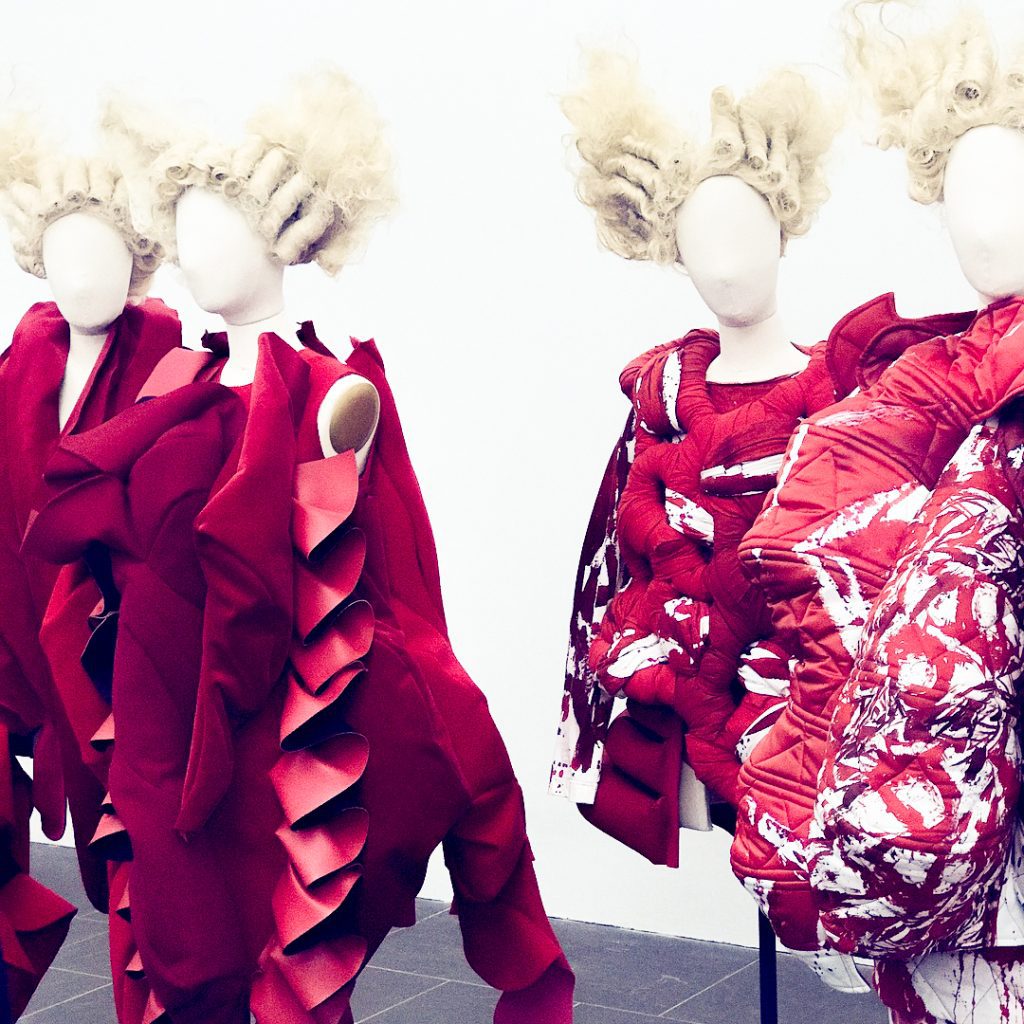
Rei Kawakubo/Comme des Garçons 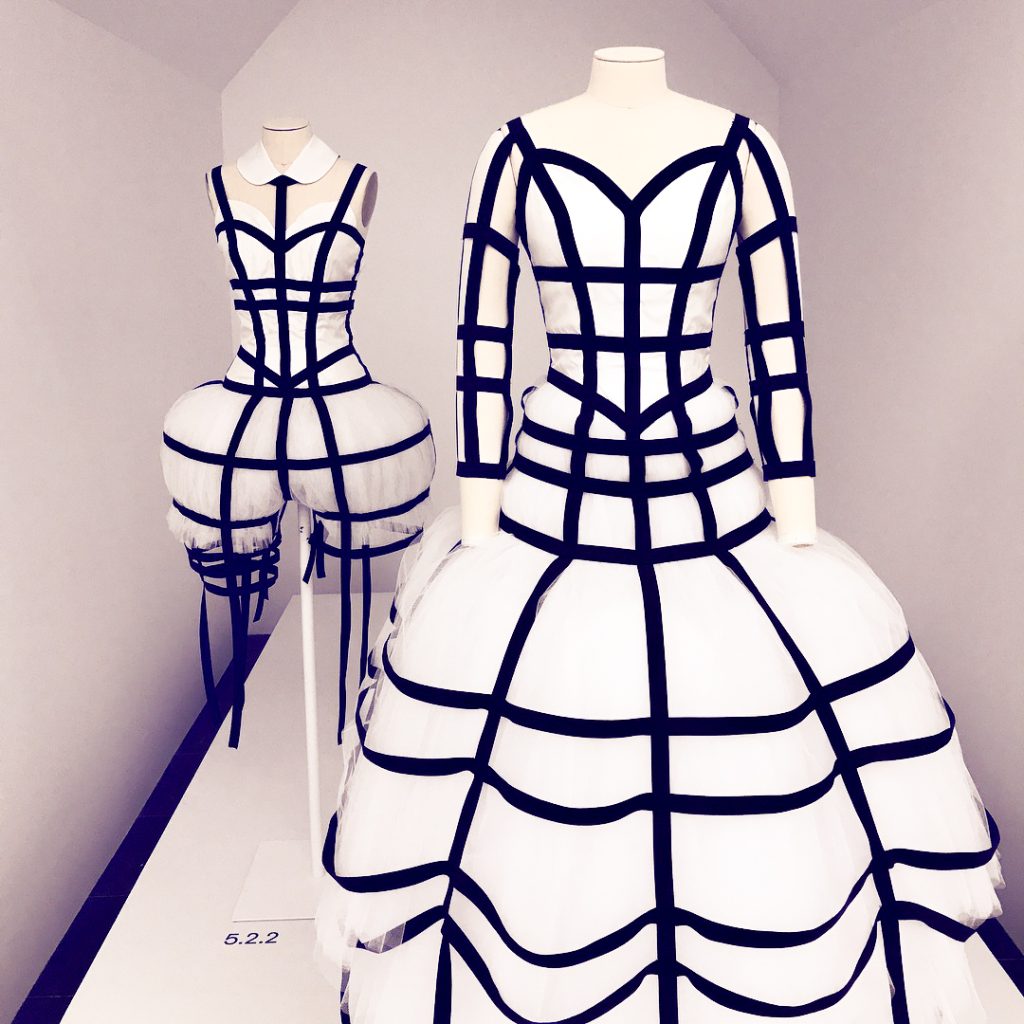
Rei Kawakubo/Comme des Garçons 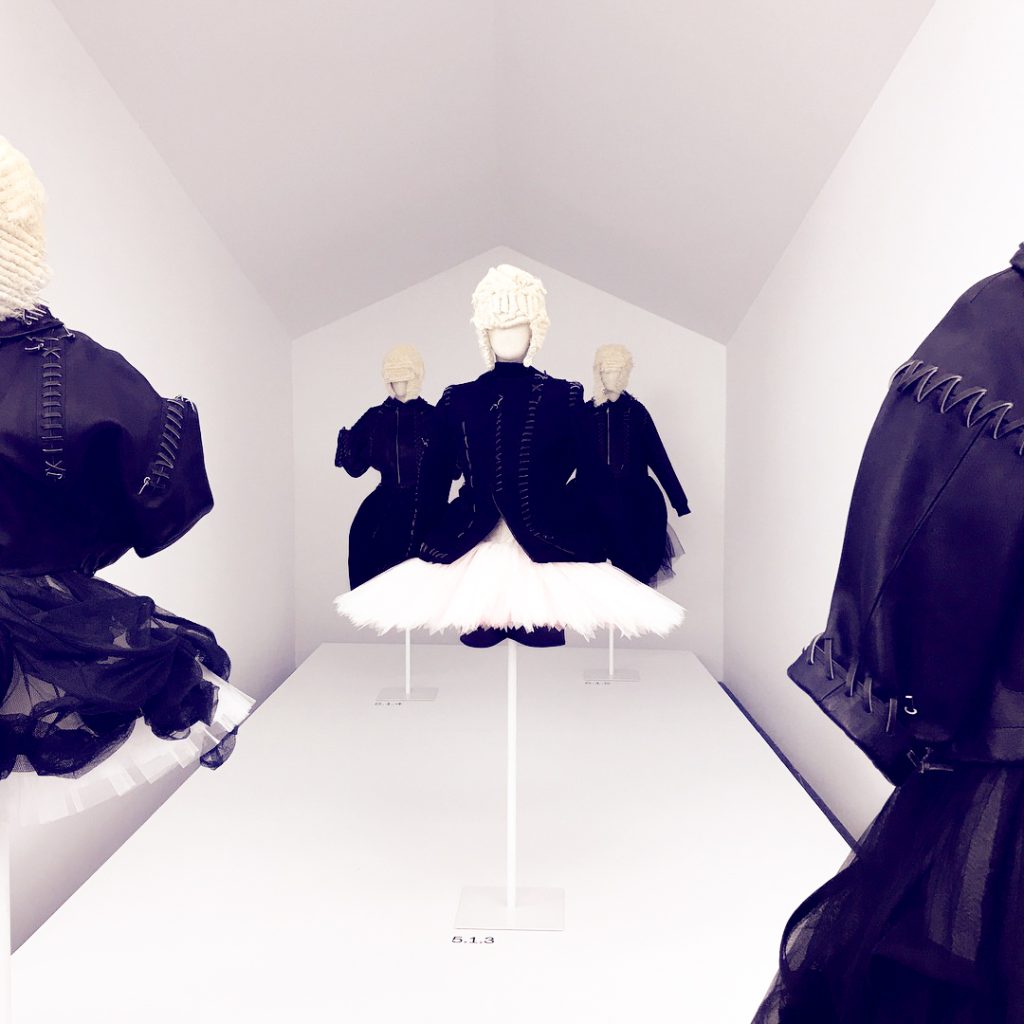
Rei Kawakubo/Comme des Garçons -
“It’s easy for us to get too comfortable in the routines we’ve carved out for ourselves, but there’s immense value in prioritizing our self-improvement and challenging our minds and bodies to look beyond our perceived limits. By pushing our physical and mental faculties to the extreme, we can break through to a new level of what’s possible. So the next time life knocks us off-kilter, we’ll be able to right ourselves twice as quickly.”